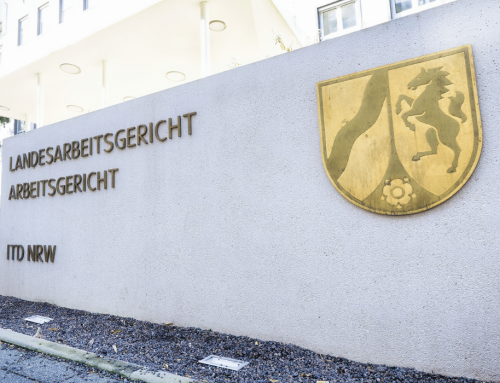
Road salt ban back on: Court stops Berlin's solo winter initiative


Image: riopatuca / Shutterstock.com
Slippery sidewalks, crowded emergency rooms—and then this ruling. In Berlin, a court has thrown a spanner in the works for the Senate's winter plans. The private use of road salt is once again prohibited. NABU filed a lawsuit—and won. What sounds like a side note is actually a lesson in panic politics, environmental issues, and poorly crafted exceptions.
First permitted, then collected
At the end of January, the Berlin Senate resorted to an unusual measure. Due to persistent icy conditions, the previous ban on road salt for private individuals was suspended without further ado. Homeowners were suddenly allowed to spread salt, even table salt or dishwasher salt. The main thing was to get rid of the ice.
However, this permission was short-lived. The Berlin Administrative Court stopped the general ruling. The result: the old ban is now back in force. Anyone who spreads salt in front of their house is acting unlawfully. Berlin's municipal cleaning service may continue to use salt, but private citizens may not.
NABU says stop—and wins the case
The Berlin Nature Conservation Union sounded the alarm early on and filed an urgent motion. The accusation: the Senate had simply undermined the applicable rules without a clear basis. This is exactly what the court has now confirmed.
NABU managing director Melanie von Orlow was particularly vocal on this issue. Environmental protection and nature conservation should not simply be pushed aside by decree—not even in ice and snow. In addition, the fact that the environmental administration even suggested dishwasher salt as an alternative caused some head-shaking. It was a proposal that sounded more like desperation than a plan.
Politics on the defensive
Environment Senator Ute Bonde defended her actions. She said that the situation on Berlin's roads and the strain on emergency services and hospitals required swift action. However, she also admitted that parliament should have created a clear legal basis for this. The ruling now indicates that this is precisely what is lacking.
The governing mayor, Kai Wegner, was also not particularly surprised. He had pointed out the legal uncertainty from the outset. He is now calling for a change in the rules so that a quicker response can be made in extreme weather conditions. The CDU parliamentary group has already submitted a draft bill to the House of Representatives.
The opposition reacted sharply. The Green Party speaks of chaos and uncertainty and demands that sidewalks be cleared centrally—just like roads. The AfD calls the ruling "grotesque" and believes that the protection of trees is being placed above the protection of elderly people.
Slippery roads, crowded hospitals
The fact is: since the beginning of January, many parts of Berlin have resembled an ice rink. While roads are cleared, sidewalks often remain slippery. Property owners are responsible for clearing them, but many fail to fulfill this obligation or are overwhelmed by the task.
The consequences are visible. Hospitals are reporting numerous injuries caused by falls, and the fire department is constantly on call. For many Berliners, the ban on road salt therefore feels like pure theory, while they themselves can hardly get to the bakery safely.
Environment versus everyday life?
Road salt is controversial for good reason. It damages trees, soil, animals, groundwater, and even buildings. That is why only sand or grit are actually permitted on sidewalks. Anyone who spreads salt anyway risks heavy fines.
At the same time, the case shows how poorly Berlin is prepared for exceptional situations. Either rules apply—or they are hastily suspended and just as hastily reinstated.
What is particularly striking here is that instead of creating long-term solutions, improvisation is the order of the day in times of crisis. And that comes back to haunt us. You can criticize or praise NABU—but in the end, the impression remains that politicians only act when things get slippery, and then they stumble themselves.
Source: tagesschau.de
Recht 24/7 was the only online law firm to receive the Focus Money “Highest Customer Satisfaction” seal for the fourth consecutive year Recht 24/7 2023, 2024, 2025, and 2026 . The online law firm Recht 24/7 founded in 2003 with the slogan “Law can be simple” and has since helped more than 100,000 satisfied clients with all legal matters. This is also evidenced by the “Very High Customer Trust” award from WirtschaftsWoche in October 2024.

In the areas of trademark applications and start-ups, the firm filed the most applications in Germany in 2022 and 2021:
https://dev-recht24-7.de/dpma-markenanmeldung-mit-deutschlands-nummer-eins/
Would you like to know how the ruling will affect your winter road maintenance services? Book a consultation with our environmental law experts now!