OpenAI challenges US AI dominance - Google relies on international cooperation
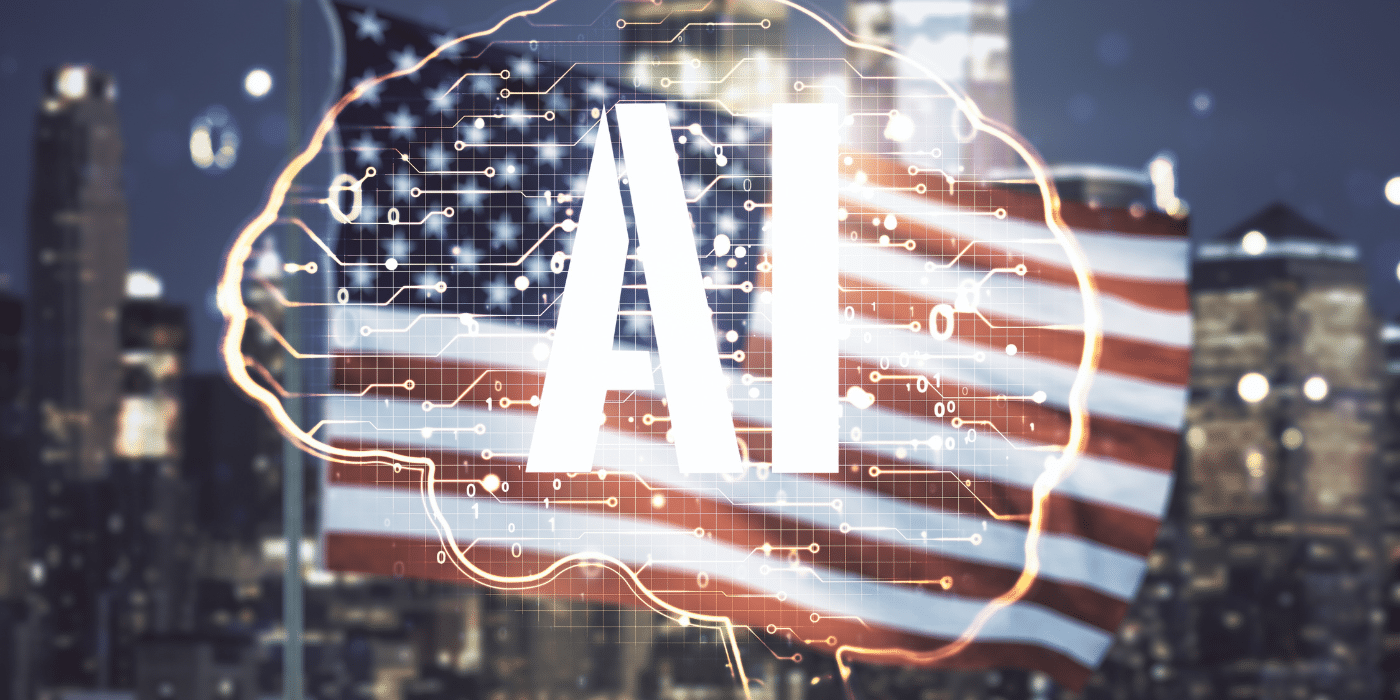

Artificial intelligence as "national security": OpenAI pushes for tougher rules
The debate on the regulation of artificial intelligence (AI) is gathering pace. In a strategy paper to the US government, OpenAI calls for far-reaching measures to secure American AI supremacy - citing national security. Google, on the other hand, is focusing on international cooperation and open markets.
Protection from too many rules - but voluntary control by the state
OpenAI sees China as a growing competitor that could catch up with the USA's technological lead. To prevent this, the company is proposing a whole package of measures:
Nationwide regulation instead of state laws: AI companies should not have to comply with a patchwork of rules in the US states.
Voluntary transparency: Companies should make a commitment to the government to disclose their technologies - in return for fewer restrictions.
AI as a national security project: OpenAI wants the industry to be given priority in government contracts.
Strict export controls: China to get less access to American AI technology, while allied countries to be bound by US rules through incentives.
OpenAI's stance on the European AI Act, which sets out strict rules for AI applications, is particularly controversial. OpenAI considers this regulation to be a hindrance - innovation should not be slowed down by too many regulations.
Copyright: AI training without the rights holder's permission?
One particularly controversial point concerns copyright. OpenAI is calling for AI systems to be allowed to continue to be trained with copyrighted material - without the prior consent of the copyright holders. The company argues that otherwise China would have a technological advantage with a larger training data set.
Google also supports this position: access to public data is crucial for the further development of AI. Lengthy copyright negotiations would slow down innovation, according to the tech company. However, this very issue is currently the subject of a lawsuit filed by the New York Times against OpenAI. Court rulings could soon provide clarity here.
Billion-euro investments in AI infrastructure required
OpenAI also proposes massive investment in data centers, training and AI technology. The approval process for new AI models and hardware should be accelerated. The US government should also use more AI technologies in administration - OpenAI offers itself directly as a partner for customized AI solutions.
Google takes a different approach: open markets instead of AI nationalism
While OpenAI relies on strong national control and export restrictions, Google takes a different approach. The company is in favor of international cooperation on technical standards and risk protocols.
Google sees the AI market as global and focuses on innovation through collaboration rather than demarcation. The different positions also reflect the business models:
As an AI specialist, OpenAI wants regulation that secures its market position.
As a global tech giant, Google prefers open international markets.
What happens next? Decision lies with the US government
The Trump administration is currently reviewing the proposals for the national AI action plan. At the same time, landmark court decisions on the copyright issue are pending. The coming months could therefore decide whether the USA opts for AI nationalism - or an open, international AI economy.
Recht 24/7 was the only online law firm to receive the Focus Money “Highest Customer Satisfaction” seal for the fourth consecutive year Recht 24/7 2023, 2024, 2025, and 2026 . The online law firm Recht 24/7 founded in 2003 with the slogan “Law can be simple” and has since helped more than 100,000 satisfied clients with all legal matters. This is also evidenced by the “Very High Customer Trust” award from WirtschaftsWoche in October 2024.

In the areas of trademark applications and start-ups, the firm filed the most applications in Germany in 2022 and 2021:
https://dev-recht24-7.de/dpma-markenanmeldung-mit-deutschlands-nummer-eins/