Is satire allowed? "El Hotzo" in court - When a joke becomes a case for the public prosecutor


Joke or madness? The El Hotzo case divides the country
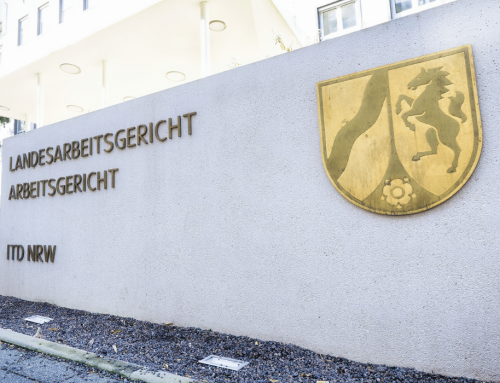
One tweet, two sentences - and now a court case. Satirist and comedian Sebastian Hotz, better known as "El Hotzo", will stand trial at Tiergarten District Court in Berlin on July 23. The charge: condoning and rewarding criminal acts. At the center: two posts he published after the failed assassination attempt on former US presidential candidate Donald Trump in the summer of 2024. Hotz wrote in them, among other things:
"I think it's absolutely fantastic when fascists die."
And with regard to the assassination of the US president, he went on to ask what the last bus and Trump had in common and gave the answer: "unfortunately, I just missed".
Black humor for some - a dangerous breach of taboo for others. But the central question now is: Is satire allowed to do this?
Artistic freedom vs. section 140 StGB
Satire thrives on breaking taboos, on exaggerating, on "being allowed to say" what others don't dare to. But German criminal law sets limits - especially when it comes to the public approval of criminal acts. According to Section 140 of the German Criminal Code, even positive commentary on attempted murder can be punishable.
Hotz's statement was made in an extremely politically heated climate. The shot at Trump had caused worldwide horror - and his statement, according to many critics, did not sound like irony, but rather like open advocacy of political violence.
ARD also drew the consequences: The youth channel Fritz ended its collaboration with Hotz, and a literary event on ARD Kultur was also canceled at short notice. Public broadcasters, who insist on neutrality, suddenly wanted nothing more to do with "El Hotzo".
Satire has to hurt - but who?
The debate is explosive: does a free society have to tolerate such statements - or are we indirectly protecting the glorification of violence with such tweets? In a country that has defended Charlie Hebdo and declared Jan Böhmermann's Erdogan poem to be freedom of art, the question arises anew: How far can freedom of expression go when it is hurtful or even dangerous?
Hotz later deleted the posts in question. An apology? Not a word. Instead, he posted something along the lines of: you are not obliged to have sympathy for fascists. This also caused criticism - and applause. Opinions differ, the hall will be full.
Satire can do a lot, but not everything
Anyone who publicly writes that they find the death of political opponents "fantastic" is leaving the realm of humour and entering the field of radicalization. Artistic freedom is a valuable asset - but it is not a free pass for hate.
Whether El Hotzo is convicted or not, the red line has long since been crossed. Not legally - but morally. And that is precisely the point that many overlook in this debate. Satire is allowed to provoke, it even has to - but it must never become a justification for violence. Otherwise the joke becomes a slap in the face of democracy.
Recht 24/7 was the only online law firm to receive the Focus Money “Highest Customer Satisfaction” seal for the fourth consecutive year Recht 24/7 2023, 2024, 2025, and 2026 . The online law firm Recht 24/7 founded in 2003 with the slogan “Law can be simple” and has since helped more than 100,000 satisfied clients with all legal matters. This is also evidenced by the “Very High Customer Trust” award from WirtschaftsWoche in October 2024.

In the areas of trademark applications and start-ups, the firm filed the most applications in Germany in 2022 and 2021:
https://dev-recht24-7.de/dpma-markenanmeldung-mit-deutschlands-nummer-eins/
Want to know if your satirical contribution is legally safe? Book our legal advice now and avoid legal problems!