100,000 euros for a mini-job? This ruling could cost employers dearly


What sounds like an isolated case has explosive power for the entire labor market
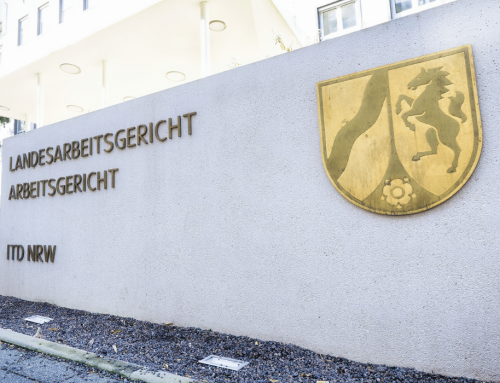
A law student, a brewery in Munich and a plan to set up a works council: This combination has now caused a sensation at the Munich Regional Labor Court. The student was working as a mini-jobber in the catering industry - and was awarded severance pay and damages of around 100,000 euros following his dismissal. A shock for many employers, but a glimmer of hope for many employees. Because the ruling shows: Even those who are "only" marginally employed have rights - and these can be expensive if they are violated.
Termination without notice: When ignoring becomes expensive
The dispute was triggered by an attempt to set up a works council at the company. Shortly afterwards, the student was no longer assigned to work. A formal dismissal? Not a word. Instead: "Loss of trust", said the boss - and left the student out for months. In legal terms, this is called default of acceptance: if the employer no longer offers or accepts work, even though an employment relationship exists, he must still continue to pay. Even with a mini-job.
The court recognized exactly that - and retroactively calculated how much wages (and tips!) the student had lost during this time. The result: several tens of thousands of euros for shifts not worked but contractually owed.
Discrimination because of youth? That will be expensive.
The employer argued that the student was young, single, childless and had no maintenance obligations - i.e. "most likely to be dismissed". Sounds logical, but is legally dangerous. This is because such statements can be interpreted as age discrimination - and that is exactly what the court did. The consequence: compensation for violation of the General Equal Treatment Act (AGG).
Lost tips were counted as an earnings component and therefore as real economic loss. An average of 100 euros per shift - with many missed shifts, this added up to around 15,000 euros. However, the court not only awarded the plaintiff money, but also demanded a formal apology from the employer.
Managing director personally liable - the GmbH does not always protect
The crowning glory: the court held not only the company but also the managing director personally liable. Normally, the GmbH structure protects against precisely such consequences - but things are different in the case of violations of the AGG. In this case, the person who discriminates may be directly liable with their private assets. The ruling is a wake-up call for managers: anyone who thinks they can act from the company's cover is mistaken - and risks a lot.
A wake-up call - and a reminder
A ruling like a wake-up call - not only for the catering industry. Anyone who believes that mini-jobbers are legally "easy prey" should urgently update their understanding of employment law. Preventing works council meetings, discrimination and tricky "push-out maneuvers" will eventually come to light - and can then become really expensive. The fact that tips are enforceable and managing directors have to pay personally is likely to spoil the appetite of many bosses. That's a good thing. Those who feel strong on the backs of the weaker ones have been given the lesson they deserve with this ruling.
Recht 24/7 was the only online law firm to receive the Focus Money “Highest Customer Satisfaction” seal for the fourth consecutive year Recht 24/7 2023, 2024, 2025, and 2026 . The online law firm Recht 24/7 founded in 2003 with the slogan “Law can be simple” and has since helped more than 100,000 satisfied clients with all legal matters. This is also evidenced by the “Very High Customer Trust” award from WirtschaftsWoche in October 2024.
In the areas of trademark applications and start-ups, the firm filed the most applications in Germany in 2022 and 2021:
https://dev-recht24-7.de/dpma-markenanmeldung-mit-deutschlands-nummer-eins/
Are you an employer and want to avoid legal risks? Book our advice and protect yourself from high costs!