Be careful in your letterbox: how fraudsters are now also using the post to get your data
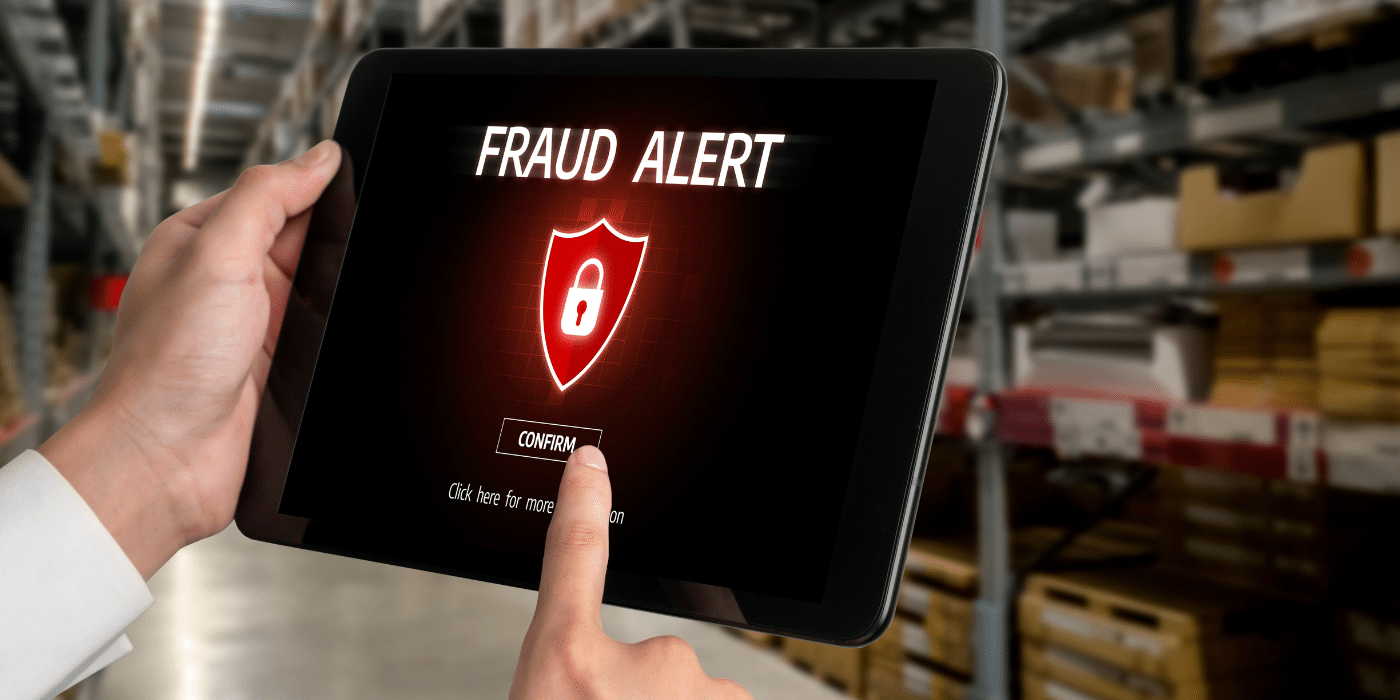

It's hard to believe, but fraudsters are constantly developing new tricks to obtain personal information. The latest scam now comes from the letterbox - and it is particularly perfidious. Consumers are increasingly discovering fake QR codes in supposedly legitimate letters. But anyone who thinks they can trust an official letter could quickly fall into the trap. We explain how you can protect yourself.
What's behind the new scam?
First it was emails, then posters in public places - and now fraudulent QR codes are also appearing in your letterbox. These codes are often so well made that they appear completely unsuspicious at first glance. But if you scan them, you end up on a website that not only spies on your data, but also leads to your money being diverted to dubious accounts.
The consumer advice center warns of this new scam: the fraudsters are taking advantage of the fact that we now scan QR codes everywhere, be it when shopping, in restaurants or when traveling. This makes it all the more perfidious that the fake codes are now also appearing in letters that supposedly come from trustworthy sources such as banks or transport companies.
How to recognize the fraud
Precisely because this scam is so cleverly disguised, it is becoming increasingly difficult to distinguish between genuine and fake QR codes. But don't worry, there are simple rules to help you protect yourself from fraudsters:
- Only scan trustworthy QR codes. Before you scan a code, make sure that you are certain that the sender is trustworthy.
- Check the URL. When your cell phone opens the website, take a close look at the address. Fraudsters often use slightly modified spellings that appear credible at first glance.
- Be careful with unexpected mail. If you receive a letter with a QR code you weren't expecting, play it safe and don't call the phone number provided. Instead, visit the company's official website and look for the real contact details there.
- Not every QR code leads to a secure page. Make sure that the page has an HTTPS address and does not contain any suspicious additions.
What to do in the event of fraud?
If it is too late and you have scanned the wrong QR code, you need to act quickly. Report the incident immediately to the police or via your state's online watchdog. If you have lost money as a result of the scam, quickly contact your bank or the emergency number 116116. In many cases, you can still get your money back in time.
Digital trap: why we need to protect ourselves even better now
It's fascinating how quickly fraudsters adapt to new technologies. What should protect us as consumers in the digital age - such as QR codes and online banking - is being turned into a trap by criminals. Our constant connectivity provides a golden opportunity for the perpetrators. What does this mean for data protection? Is digitalization really becoming more secure, or are new loopholes opening up for criminals? Everyone should answer this question for themselves - but if you want to protect yourself, you need to keep your eyes open.
Recht 24/7 was the only online law firm to receive the Focus Money “Highest Customer Satisfaction” seal for the fourth consecutive year Recht 24/7 2023, 2024, 2025, and 2026 . The online law firm Recht 24/7 founded in 2003 with the slogan “Law can be simple” and has since helped more than 100,000 satisfied clients with all legal matters. This is also evidenced by the “Very High Customer Trust” award from WirtschaftsWoche in October 2024.
In the areas of trademark applications and start-ups, the firm filed the most applications in Germany in 2022 and 2021:
https://dev-recht24-7.de/dpma-markenanmeldung-mit-deutschlands-nummer-eins/