Von der Leyen's secret vaccine text messages - EU Court reprimands Commission: What is she hiding from us?

Chat, delete, deny - and then?
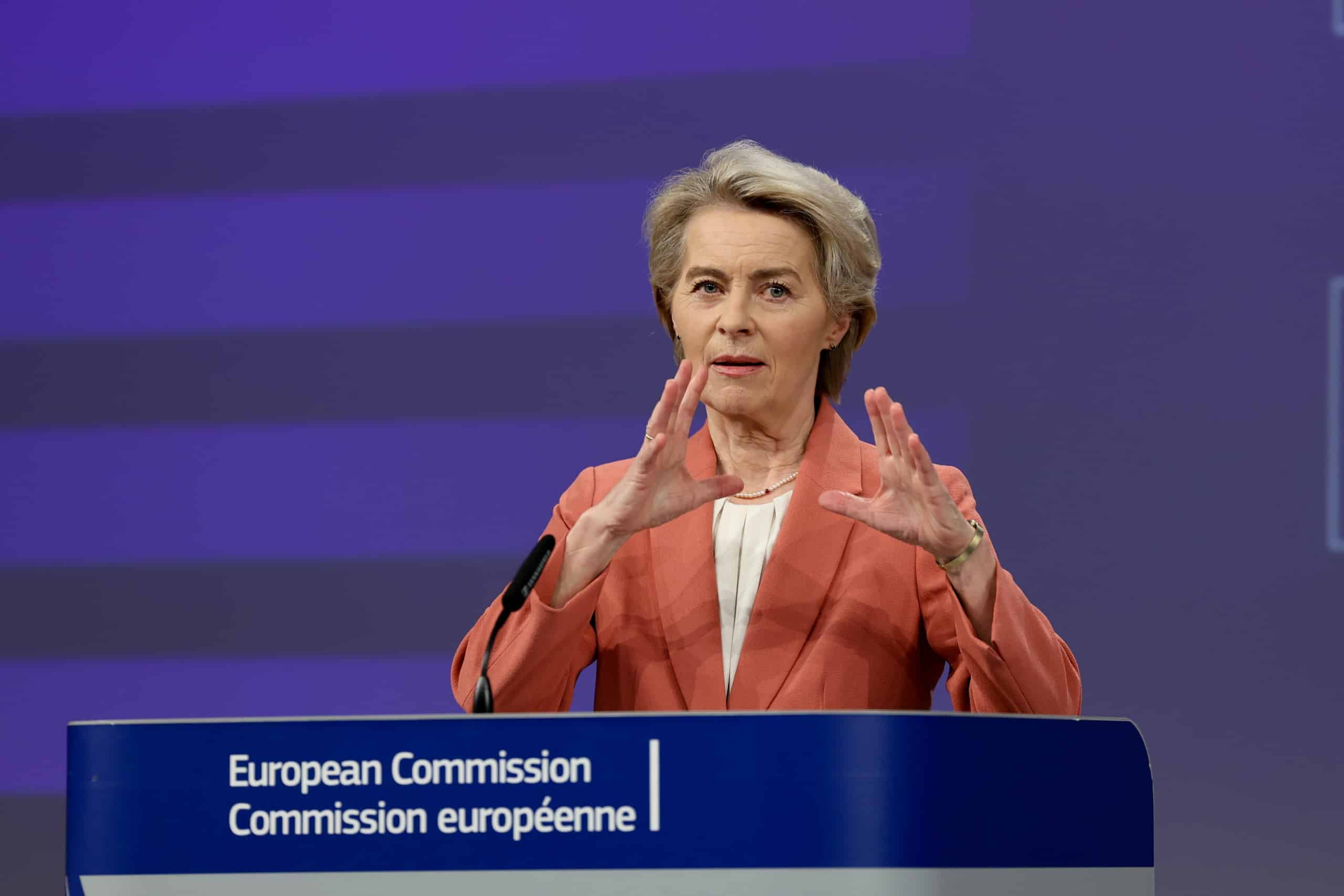
It's about billion-dollar contracts, the world's most sought-after vaccine and a few missing text messages. Sounds like a political thriller? But it's reality in Brussels. The President of the EU Commission, Ursula von der Leyen, communicated personally with Pfizer boss Albert Bourla in the coronavirus year 2021 - apparently via text message. However, the Commission still does not want to release these messages. The reason given: They can no longer be found.
The General Court of the European Union does not believe this - and upholds the complaint of the New York Times. The Commission had provided "no plausible explanation" as to where these text messages had gone. It is therefore clear that the EU leadership has suffered a clear defeat when it comes to transparency.
Vaccine billions without protocol?
The news in question comes from the hot phase of the vaccine negotiations between January 2021 and May 2022. The EU concluded a mega-deal with Biontech/Pfizer for up to 1.8 billion doses of coronavirus vaccine - estimated to be worth around 35 billion euros. Nobody knows exactly how much of this was discussed personally via text message between von der Leyen and Pfizer boss Bourla. And that is precisely the problem.
Because: During Corona, many things were decided in a rush. That is understandable. But when so much public money is at stake, the investigation must not fail because of the cell phone memory. The Commission claimed that the text messages were not archived - an "oversight"?
Court: "Untraceable" is not enough
The EU Court is clear: the Commission cannot simply say that the messages are gone without explaining specifically where it searched, whether the device was changed or whether it was automatically deleted. In short: those who bear responsibility must also be accountable - and that also applies to the Commission President's smartphone.
And yes, the ruling is not yet legally binding - but it has a signal effect. After all, if it turns out that relevant content was deliberately not documented, that would be a slap in the face for any democratic claim to transparency.
EU parliamentarian calls for consequences
For Daniel Freund, Green MEP, the case is clear: "This non-transparent tactics on the Commission President's smartphone must come to an end." His demand: In future, all official messages must be stored and disclosed if necessary. If von der Leyen refuses to do so, she should no longer be allowed to use an official smartphone.
The EU Commission is moderate in a statement: it will examine the ruling carefully and continue to adhere to the "legal requirements". Von der Leyen herself is "committed to transparency". Sounds good - but seems rather hollow in view of the facts.
Conclusion of Recht 24/7: Democracy does not work with the delete button
What is at stake here is more than just a few text messages - it is about trust in the institutions of the EU. Anyone who concludes contracts worth billions must be prepared to face questions later on - and must not hide behind technical excuses. The fact that a journalist from a US newspaper has to fight her way through all the courts to obtain information that should actually be public is a scandal.
Our opinion: If Ms. von der Leyen does not want to show her text messages, she either has something to hide - or she has not understood the seriousness of the situation. Both would be dangerous. Transparency is not a nice bonus, but a duty. And it starts exactly where it gets uncomfortable - in the inbox.
Recht 24/7 was the only online law firm to receive the Focus Money “Highest Customer Satisfaction” seal for the fourth consecutive year Recht 24/7 2023, 2024, 2025, and 2026 . The online law firm Recht 24/7 founded in 2003 with the slogan “Law can be simple” and has since helped more than 100,000 satisfied clients with all legal matters. This is also evidenced by the “Very High Customer Trust” award from WirtschaftsWoche in October 2024.
In the areas of trademark applications and start-ups, the firm filed the most applications in Germany in 2022 and 2021:
https://dev-recht24-7.de/dpma-markenanmeldung-mit-deutschlands-nummer-eins/
Want to find out more about the legal background to vaccine contracts? Get advice from our experts now!