Overtime in space: why astronauts were not paid for their 9 months on the ISS
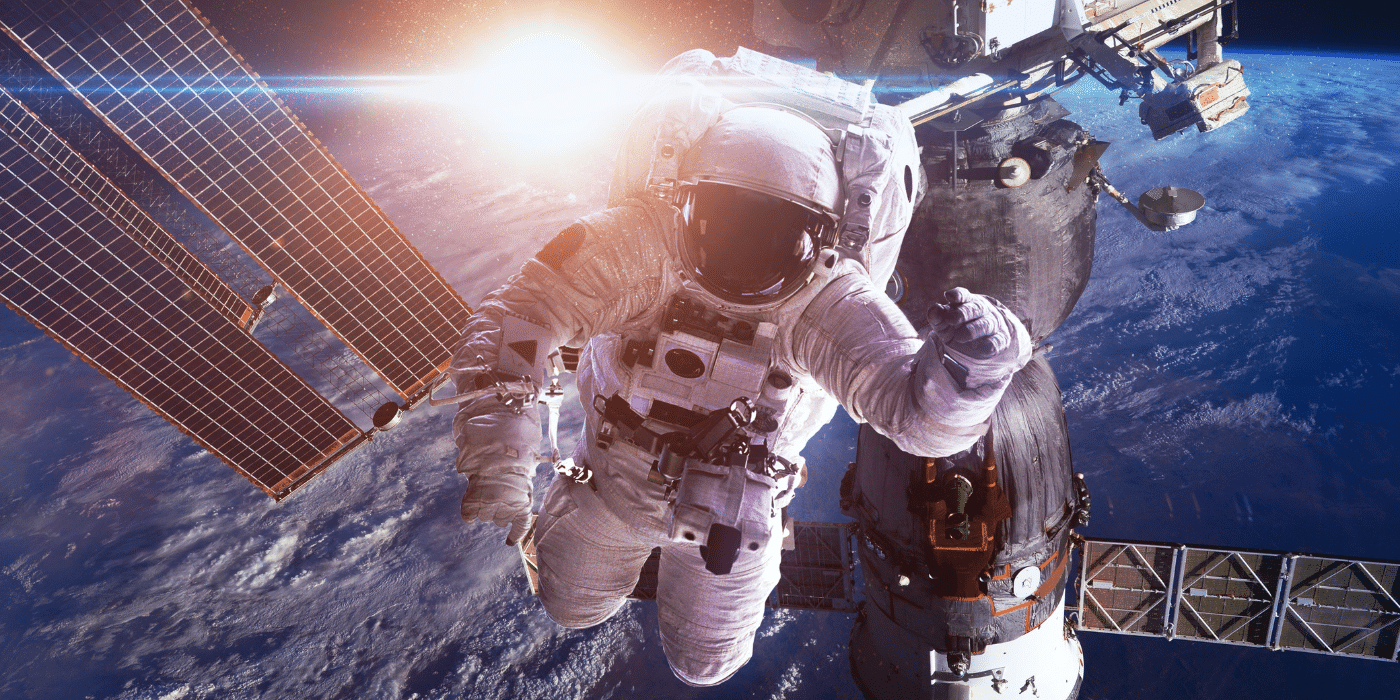

The International Space Station (ISS) is a place where astronauts achieve incredible feats - but sometimes also find themselves in unforeseen situations. Two US astronauts recently had to stay on the ISS for nine months longer than planned, but one thing was missing from this dramatic journey: Overtime pay! While NASA covered the costs of transportation and meals, the astronauts were not paid extra for the many hours of overtime. What is behind this decision and what does it mean for the world of work on Earth? A look at an extraterrestrial "working time regulation".
Why were the astronauts kept on the ISS for longer?
Suni Williams and Barry Wilmore were only supposed to spend a week on the ISS. However, due to a technical problem with their Starliner spacecraft, the two astronauts were stuck in space for more than eight months. When NASA decided to bring them back on another spacecraft first, it was not only a challenge for the space mission, but also for the astronauts - and their pay.
No overtime pay - only a "standard salary"
Although they had to spend almost ten months in space, Williams and Wilmore did not receive any additional money for the extra hours they worked. According to NASA, they were paid like all other government employees on a mission: with a salary for a regular 40-hour week. A NASA spokesperson explained that incidental expenses such as transportation, lodging and meals were also covered, which is standard for the space agency. An "extra bonus" in the form of five dollars a day for "unforeseen incidental expenses" was the only financial gesture.
Politicians get involved: What does Trump say?
The lack of overtime pay has attracted public attention. US President Donald Trump recently commented on the issue and said that he would personally take care of compensating astronauts for their extra time in space if necessary. But instead of criticizing NASA, Trump, in his usual style, also attacked his predecessor Joe Biden, accusing him of causing the delays in the space program. The political dimension of this incident not only leaves room for speculation, but also for a fundamental question: what is the appreciation for the achievements of people who take incredible risks?
What does this incident mean for us here on earth?
For us on Earth, it is a reminder of how work and pay often do not have the same meaning in extraordinary circumstances as they do in our everyday lives. In the case of the astronauts, the danger and adventure was enormous, but the pay remained standard. But why should that be the case? This question arises particularly in view of the risks to which the astronauts were exposed. The incident sheds light not only on the peculiarities of NASA, but also on the value that societies ascribe to certain professions and tasks.
Working in space: is it time to redefine the concept of overtime?
It is somewhat ironic that those who operate on the fringes of humanity - literally in the vastness of space - receive no special remuneration for their extra hours. This shows once again how systems often compare the extraordinary achievements of the few with the normal standards of the many. One could almost think that "normal" labor law has reached its limits here. Perhaps it is time for society to rethink its idea of fair pay - especially when it comes to people who make the impossible possible.
Recht 24/7 was the only online law firm to receive the Focus Money “Highest Customer Satisfaction” seal for the fourth consecutive year Recht 24/7 2023, 2024, 2025, and 2026 . The online law firm Recht 24/7 founded in 2003 with the slogan “Law can be simple” and has since helped more than 100,000 satisfied clients with all legal matters. This is also evidenced by the “Very High Customer Trust” award from WirtschaftsWoche in October 2024.

In the areas of trademark applications and start-ups, the firm filed the most applications in Germany in 2022 and 2021:
https://dev-recht24-7.de/dpma-markenanmeldung-mit-deutschlands-nummer-eins/