TV chef Frank Rosin targeted by animal welfare authorities: violation of the Animal Welfare Act?
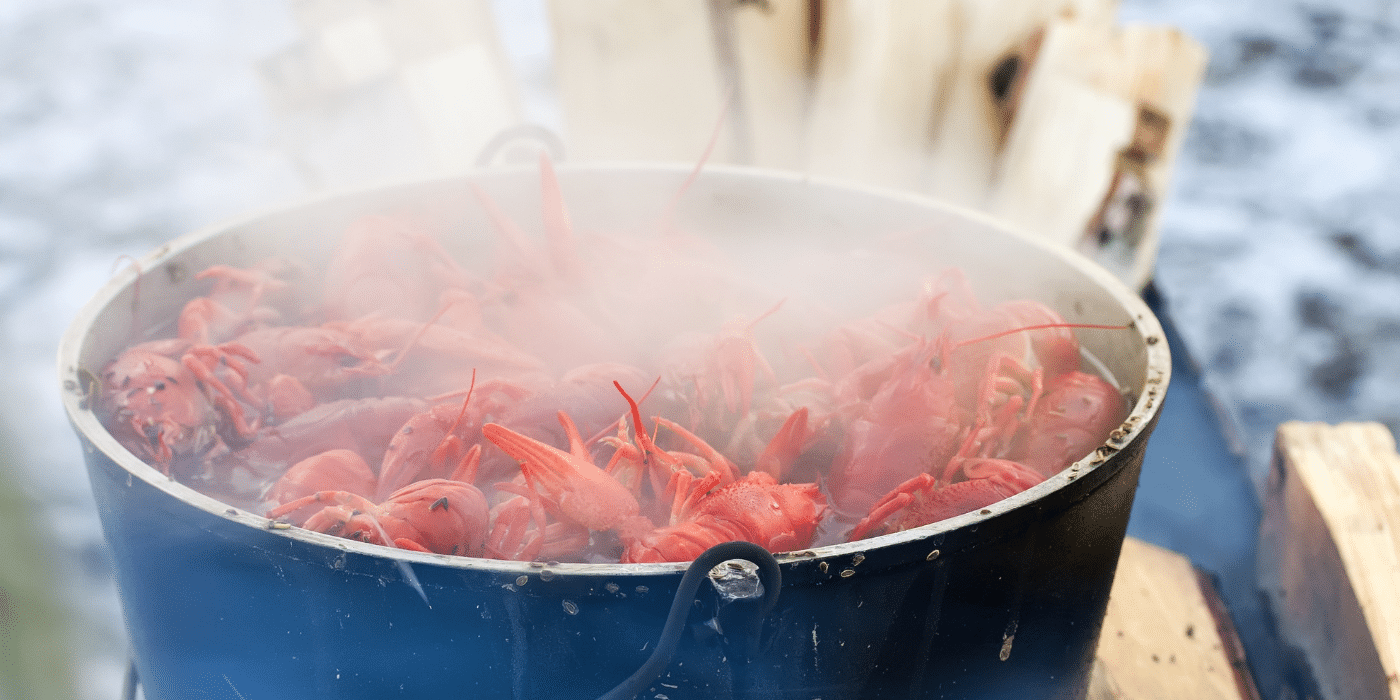

The German Animal Welfare Association has filed a complaint against the well-known TV chef Frank Rosin - the accusation: cruelty to animals in a Sat.1 cooking show. The reason for the furor? Rosin was seen in a program throwing live crayfish into a hot pot of fat. A procedure which, in the opinion of the Animal Welfare Association, violates the Animal Welfare Act. But what is really behind the accusations?
Live animals in hot fat: a clear violation?
In the episode of his cooking show "Wer kocht das Beste für die Gäste?" on August 21, 2024, Rosin prepared the crayfish in a way that animal rights activists particularly disliked. The German Animal Welfare Association explained on the X platform (formerly Twitter) that the sensitivity to pain of crustaceans has been scientifically proven. This means that the animals feel pain, even if they hardly show any external movement. This is precisely where the criticism comes in: Rosin had exposed the animals to the hot fat without anesthesia and while they were fully conscious.
The Animal Welfare Association assumes that this is a clear violation of the Animal Welfare Act. § Section 18 (2) of the law not only regulates how animals may be killed, but also how they are to be stored. According to the accusation, Rosin also kept the crayfish in a glass bowl without water, which is also an unnecessary torture for the animals.
Is this really cruelty to animals?
The accusation made by animal rights activists against Rosin is serious: the killing of the crabs is not only improper, but also torturous. In particular, the way in which the animals were placed in the pot has met with fierce criticism. Evelyn Ofensberger, head of the Animal Welfare Association's legal department, explains: "Roasting live crustaceans is a lengthy and painful process, which is why it is prohibited by law." She adds that the heat often causes crabs to go into rigor mortis, which can give the impression that they are dead - but they are still in great pain.
But it's not just about the cooking process. The storage of the crayfish in the studio also caused outrage. The animals were kept in a glass bowl without water, which violates animal welfare regulations. This type of husbandry is considered particularly cruel, as the crayfish are dependent on water to survive.
What happens now?
The charges against Frank Rosin have now been officially filed and it remains to be seen how the authorities will react to this case. If the accusation proves to be true, the TV chef could face a fine. This is likely to be a serious problem for him, as cruelty to animals not only has legal consequences, but also causes massive damage to his image.
This case is of great importance to the Animal Welfare Association. They want to send out a signal that animals must also be treated with respect and without unnecessary suffering in the catering industry - whether in the kitchen or on television. The discussion about the respectful treatment of animals will certainly receive new attention as a result of this incident.
Frank Rosin has not yet commented publicly on the allegations. But one thing is certain: the incident shows how sensitively the treatment of animals is viewed - especially by the public. This is not just about taste or the perfect TV moment, but about the ethical responsibility that every chef has towards the animals they process.
Conclusion: The case shows once again that animal welfare must also be an issue in the kitchen. Especially in TV shows that reach millions of viewers, chefs like Rosin should act sensitively and responsibly. Whether he really violated the Animal Welfare Act will now be clarified by the courts. But one thing is clear: the case will generate discussion.
Recht 24/7 was the only online law firm to receive the Focus Money “Highest Customer Satisfaction” seal for the fourth consecutive year Recht 24/7 2023, 2024, 2025, and 2026 . The online law firm Recht 24/7 founded in 2003 with the slogan “Law can be simple” and has since helped more than 100,000 satisfied clients with all legal matters. This is also evidenced by the “Very High Customer Trust” award from WirtschaftsWoche in October 2024.

In the areas of trademark applications and start-ups, the firm filed the most applications in Germany in 2022 and 2021:
https://dev-recht24-7.de/dpma-markenanmeldung-mit-deutschlands-nummer-eins/