Trading while you work? That can quickly cost you your job!
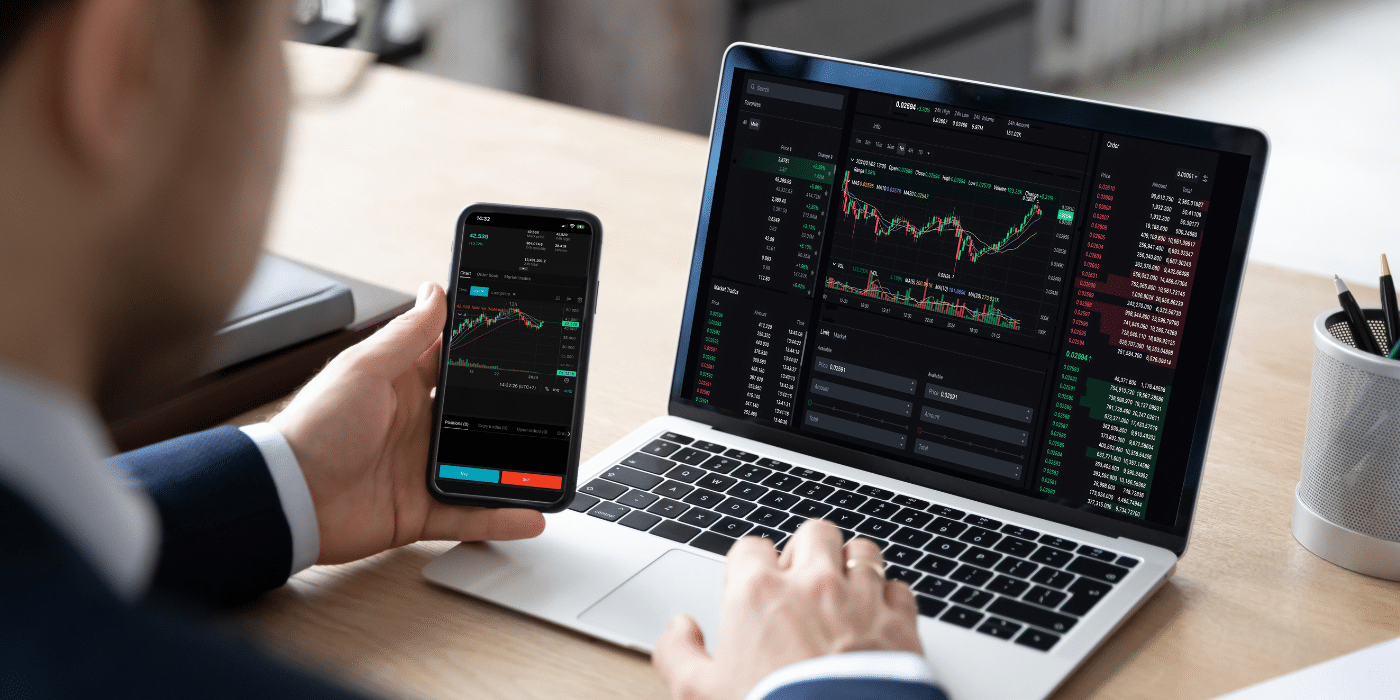

When the DAX calls - but the boss is not enthusiastic
You're sitting in the office, the screen shows Excel - but you're secretly watching your portfolio. Because the share you bet on is currently soaring. Now sell quickly before the price collapses! But wait: are you even allowed to trade on the stock market during working hours?
The sobering answer: usually no.
Clearly, working is not trading shares
"During working hours, the boss expects work to be done," is how the well-known employment lawyer Nicole Mutschke sums it up. This means that anyone who prefers to buy or sell shares instead of answering emails risks at least a warning - and even dismissal if they do it again.
The boss pays you to work, not to speculate. And yes, even if the market is running hot right now: The stock market is not interested in your employment contract - but your employer is.
Is there no leeway at all?
Yes, a little bit. Because employment law is not always black and white. If you absolutely have to trade during trading hours, a frank discussion with your boss can help. Perhaps a solution can be found: flexible break times, a short release in particularly volatile market phases or a contractually regulated stock market excursion in between.
But beware: simply trading secretly at work? A very bad idea.
The break is yours - also for trading
Things are different during the official break. Here you can do whatever you want - eat, TikTok, or buy a few shares. Important: The break must not be used as a cover to constantly run to the depot. But if you plan cleverly and use your breaks flexibly, you can at least fit in a few trades.
Stock market expert Swetlana Eberz advises that it is best to trade when the home stock exchanges of the shares are open. For German stocks this is between 9:00 and 17:30, for US stocks even from 15:30 to 22:00 (CET). So if you are invested in tech stocks from California, you can get through the office day better - at least in theory.
Keep an eye not only on the courses, but also on the employment contract.
A securities account is not a carte blanche for multitasking during core working hours - and a cell phone is no substitute for a Wall Street license. Employers are entitled to expect that work will not be disrupted by spontaneous day trading activities.
But let's be honest: Germany could become a little more flexible. If a "share culture" is to be promoted, why not also with modern working models that integrate trading time slots - at least for those who really need it. So trading is not taboo - but during working hours only with a clear agreement. Otherwise your next trade may not go through - but your notice will.
Recht 24/7 was the only online law firm to receive the Focus Money “Highest Customer Satisfaction” seal for the fourth consecutive year Recht 24/7 2023, 2024, 2025, and 2026 . The online law firm Recht 24/7 founded in 2003 with the slogan “Law can be simple” and has since helped more than 100,000 satisfied clients with all legal matters. This is also evidenced by the “Very High Customer Trust” award from WirtschaftsWoche in October 2024.
In the areas of trademark applications and start-ups, the firm filed the most applications in Germany in 2022 and 2021:
https://dev-recht24-7.de/dpma-markenanmeldung-mit-deutschlands-nummer-eins/