Tesla in Grünheide: Salary withholding and pressure on sick employees - What's behind it?
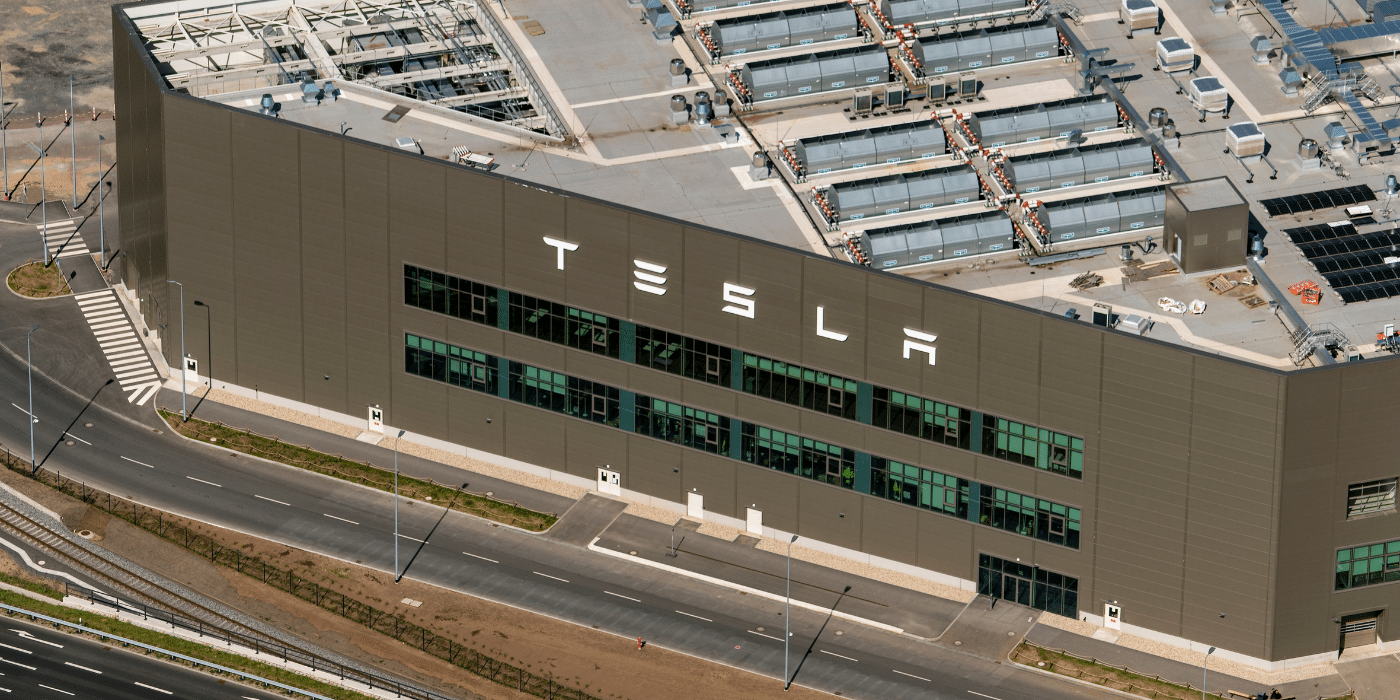

Things are boiling again at Tesla's Gigafactory in Grünheide. Sickness-related absences are on the rise, but instead of providing relief, the US car manufacturer is taking measures that are met with incomprehension by many. Employees are reporting pressure to disclose their diagnosis and pay claims are being called into question. What is really happening here?
The pressure is growing: cases of illness at Tesla's Gigafactory
Tesla is struggling with an ever-increasing sickness rate at its Grünheide factory. In recent months, the sickness rate has risen to up to 15 percent. A situation that is not only disrupting production processes, but is apparently also prompting the company to take drastic measures. According to IG Metall, employees who call in sick receive emails asking them to disclose their medical certificates and even to release the doctors treating them from their duty of confidentiality. Employees who refuse to do so risk having their salaries reclaimed or even being dismissed.
IG Metall sounds the alarm: "Unacceptable pressure"
The IG Metall trade union speaks of a massive invasion of employees' privacy. The accusation: Tesla doubts the sick notes without sufficient basis and exerts considerable pressure on sick employees. It is not just about the certificates of incapacity for work, but also about threats that unjustified continued salary payments will be reclaimed. Some employees report conversations in which they were informed of alleged "debts" due to overpayments and pressured into signing termination agreements.
Dirk Schulze from IG Metall is certain: "These methods are causing financial hardship to employees." He calls for an immediate end to these practices, as they put employees in an extremely unpleasant and existentially threatening situation.
Tesla's reaction: numerous misunderstandings?
Tesla has responded to the allegations with a statement in which it rejects the accusations as exaggerated. The company explains that there are only around a dozen problematic cases per month - out of a workforce of around 11,000 employees. Tesla argues that in certain cases, such as alleged "sick leave" during rejected vacation requests, the employer's right to review the certificate of incapacity for work is not only legal, but necessary. According to Tesla, this is common practice in Germany.
However, anyone who finds themselves in one of these cases may not feel quite so reassured. Because while the company downplays the number of disputed cases, the employees concerned are suffering from growing pressure and financial worries.
Tesla criticized: employer obligations or unnecessary pressure?
The question remains: are Tesla's measures justified or simply too harsh an encroachment on employees' rights? It is clear that the health of the workforce is not only influenced by external pressure, but also by working conditions. Instead of reacting with punishments and intimidation, the focus should be on finding and eliminating the causes of the high sickness rate.
Our critical comment: Tesla must not forget that there are real people with real health problems behind the sick notes. Anyone who engages in such practices in the public eye is not only risking their employees' ability to work, but also their reputation. A clear line is needed here - and above all an understanding of the needs of employees. Anyone who sees themselves as the employer of the future should also cultivate a culture of care and respect.
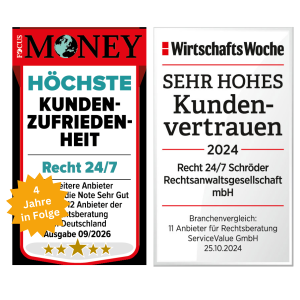
Recht 24/7 was the only online law firm to receive the Focus Money “Highest Customer Satisfaction” seal for the fourth consecutive year Recht 24/7 2023, 2024, 2025, and 2026 . The online law firm Recht 24/7 founded in 2003 with the slogan “Law can be simple” and has since helped more than 100,000 satisfied clients with all legal matters. This is also evidenced by the “Very High Customer Trust” award from WirtschaftsWoche in October 2024.
In the areas of trademark applications and start-ups, the firm filed the most applications in Germany in 2022 and 2021:
https://dev-recht24-7.de/dpma-markenanmeldung-mit-deutschlands-nummer-eins/