Tesla in crisis: Why waves of illness in Grünheide are driving Elon Musk up the wall
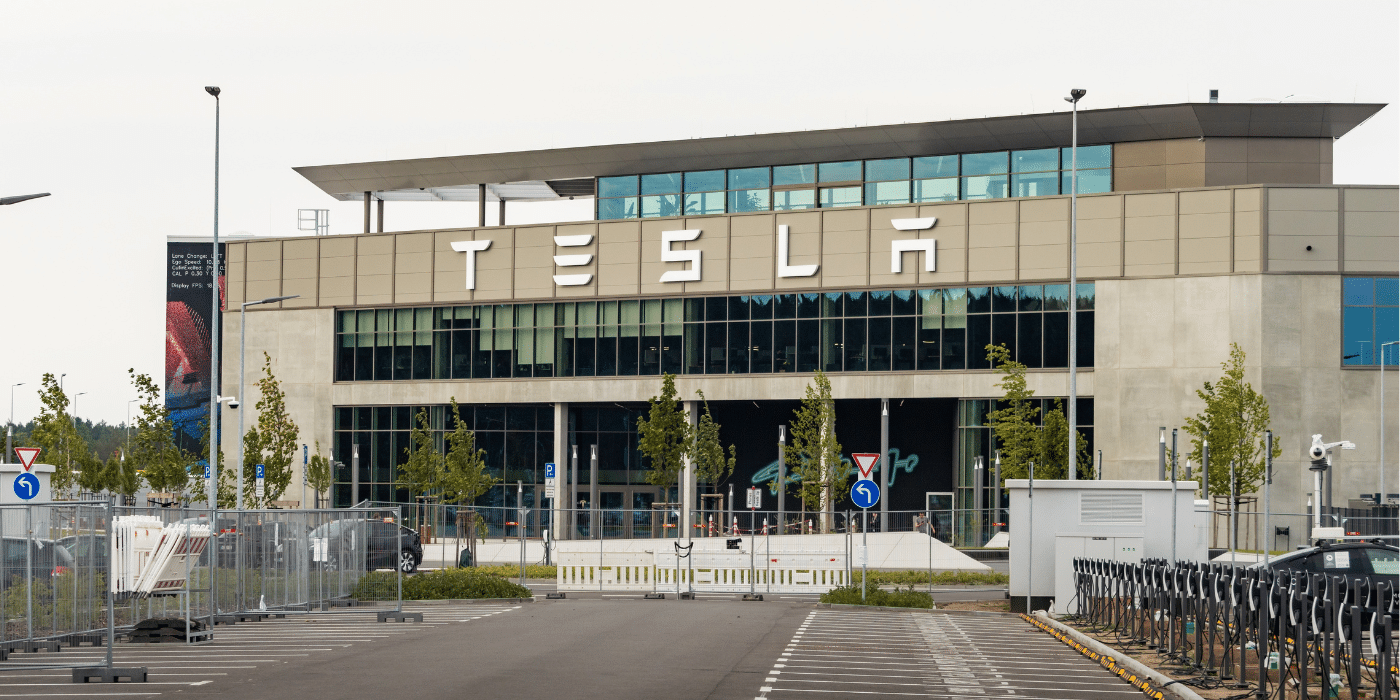

Tesla battles high sickness absence - Musk under pressure
Things are currently going haywire at Tesla's Berlin Gigafactory. Many employees are absent due to illness, and this is causing displeasure for Tesla boss Elon Musk. A look at the figures: In August 2024, 17 percent of the workforce was on sick leave - that is far higher than the industry average in Germany. Musk is known for demanding full performance from his employees, but the wave of illness seems to be overwhelming him. Many employees are absent on Fridays and Mondays in particular - a clear sign that something is amiss here.
Working conditions as the main reason for the high failure rate?
The employees in Grünheide have a different view of the situation. According to a survey, 83 percent of the workforce feel frequently or very frequently overworked. For many, it is clear that the high sickness rate is a direct result of the tough working conditions at Tesla. Long working hours, high pressure and insufficient breaks are common reasons for employees' health problems. The IG Metall trade union sees it the same way and is calling for improvements to working conditions through collective agreements. But Tesla is adamant about this. Musk has no great interest in trade unions and works councils, which leads to tensions between IG Metall and the company.
What do the collective agreements say - and why does Tesla lack one?
One key point that is fueling the conflict is the lack of collective agreements. While almost all other major German car manufacturers - including Volkswagen - have concluded collective agreements with trade unions, Tesla is taking a different approach. Musk and his management repeatedly emphasize that dispensing with such agreements leads to better working conditions and more flexibility. But the employees see things differently: they are demanding better pay and fairer working hours, and a collective agreement could provide a remedy. But so far there has been no significant agreement between IG Metall and Tesla. Instead, Musk keeps saying that salaries can be adjusted without strikes - which seems a little hypocritical in the eyes of the union.
Musk put to the test: how long will the model without collective agreements last?
It seems as if Musk is playing a familiar game: Employees are promised a high degree of flexibility and freedom, while the pressure and demands increase. But what happens when this pressure becomes too high and employees are absent due to illness? Musk should ask himself whether he really has the long-term well-being of his workforce in mind or whether he is underestimating the price of his ambitious production targets. His decision to forego collective wage agreements and his refusal to address the needs of his employees could prove to be a boomerang - even if he still believes that he has things under control at the moment. A look at the sickness figures shows that the calculation is not working out.
Recht 24/7 was the only online law firm to receive the Focus Money “Highest Customer Satisfaction” seal for the fourth consecutive year Recht 24/7 2023, 2024, 2025, and 2026 . The online law firm Recht 24/7 founded in 2003 with the slogan “Law can be simple” and has since helped more than 100,000 satisfied clients with all legal matters. This is also evidenced by the “Very High Customer Trust” award from WirtschaftsWoche in October 2024.
In the areas of trademark applications and start-ups, the firm filed the most applications in Germany in 2022 and 2021:
https://dev-recht24-7.de/dpma-markenanmeldung-mit-deutschlands-nummer-eins/