Scandal surrounding "Sonderzug nach Pankow": cult song without "Oberindianer" - censorship or respect?
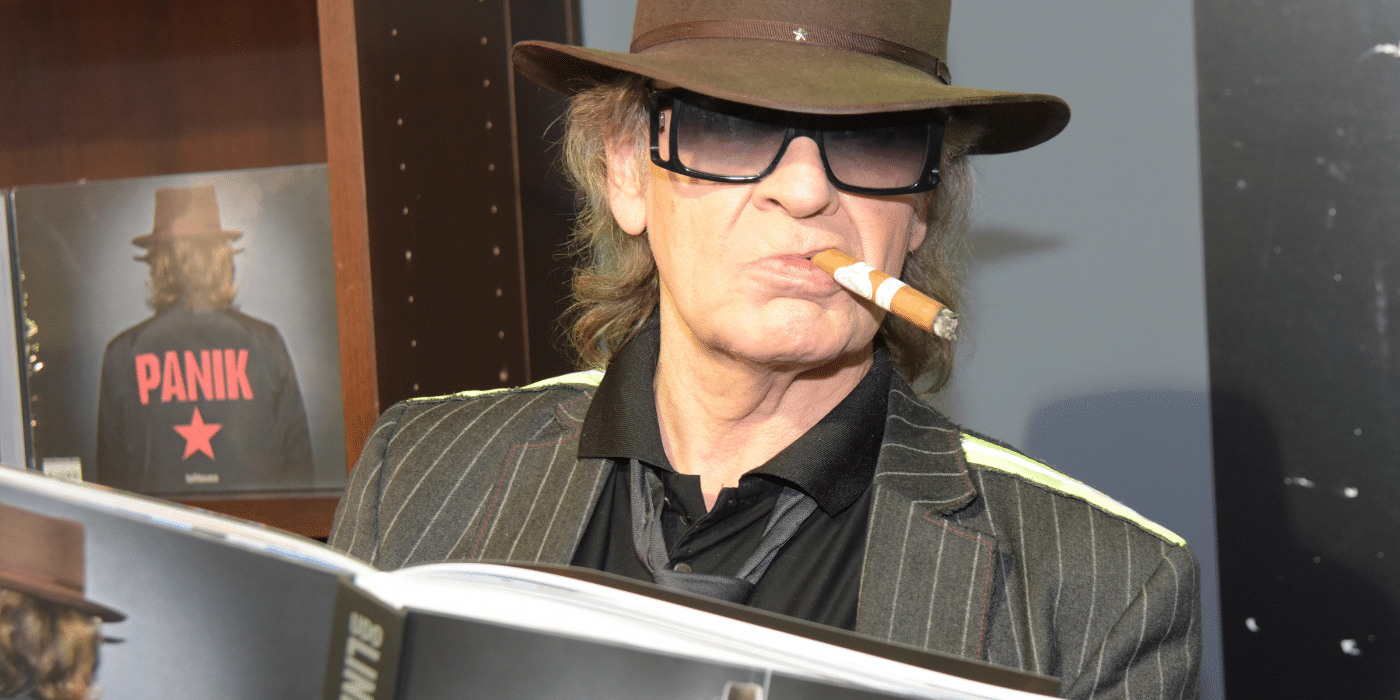

Lindenberg's classic is being rewritten - A piece of history disappears
The song "Sonderzug nach Pankow" by Udo Lindenberg has long been a cult hit. Since 1983, he has humorously played with German history and criticized the former GDR government with the expression "Oberindianer" - a nickname for GDR head of state Erich Honecker. But now this very expression is being removed from the song. A modified version of the hit is to be sung by eight choirs at the Humboldt Forum in Berlin in mid-November. The Humboldt Forum explains this decision as a necessary step to show consideration for indigenous population groups and their history.
Why is "Oberindianer" being deleted?
The term "chief Indian" may have served as a satirical term for Honecker in the 1980s, but times have changed. The Humboldt Forum Foundation in Berlin emphasizes that the term is problematic today, as it reflects the violent colonial history of indigenous peoples. "Even if the word had a metaphorical connotation back then, many indigenous people today perceive it as discriminatory and racist," says the foundation. The aim is to use language sensitively and send a signal of respect through the change.
Does the change destroy the story of the song?
Many fans and cultural critics see it differently: for them, a piece of German music history has been lost with this change. After all, Udo Lindenberg's "Sonderzug nach Pankow" is more than just a song - it is a satire of contemporary history and a humorous criticism of the GDR government. Without the term "Oberindianer", the line, which once mockingly took aim at the GDR head of state, loses much of its historical significance and poignancy. The discussion raises the question: Are we allowed to change historical works to meet today's demands for political correctness?
Udo Lindenberg remains silent - but his commitment remains strong
Although the decision is making waves, Udo Lindenberg himself has not yet commented on the change. However, the singer, who has been campaigning for social issues and peace for decades, does not seem to have disappeared completely. Another of his songs, "What are wars for?", is also currently in the spotlight. The UN Children's Fund UNICEF will be releasing a new, international version of the anti-war song. Lindenberg has donated the proceeds from this new recording to UNICEF in order to draw attention to the suffering of children in war zones.
A balancing act between respect and cultural history
The decision to remove the term "Oberindianer" from the song shows the balancing act that cultural institutions often have to master today: On the one hand, they want to preserve historically significant works of art; on the other, they also want to be considerate of sensitive issues. The question of how to master this balancing act will certainly lead to even more discussions in the future. The fact is that the "special train to Pankow" is heading in a new direction - and perhaps taking a piece of its history with it on its journey.
Whether this change is a sign of respect or an unnecessary encroachment on artistic freedom will certainly be the subject of much debate in the coming weeks. But one thing is clear: the treatment of language and history remains a hot topic in the German cultural landscape.
Recht 24/7 was the only online law firm to receive the Focus Money “Highest Customer Satisfaction” seal for the fourth consecutive year Recht 24/7 2023, 2024, 2025, and 2026 . The online law firm Recht 24/7 founded in 2003 with the slogan “Law can be simple” and has since helped more than 100,000 satisfied clients with all legal matters. This is also evidenced by the “Very High Customer Trust” award from WirtschaftsWoche in October 2024.

In the areas of trademark applications and start-ups, the firm filed the most applications in Germany in 2022 and 2021:
https://dev-recht24-7.de/dpma-markenanmeldung-mit-deutschlands-nummer-eins/
Are you affected by censorship or copyright infringements? Don't let them turn you into a 'special train'! Our experienced lawyers are here to help you.
Book an initial consultation now and find out how you can effectively protect your artistic freedom and your rights.
Fast & uncomplicated to the lawyer. Processing within 24 hours.