Scandal at RBB: Green politician demands 1.7 million euros in compensation - a media disaster for the broadcaster!
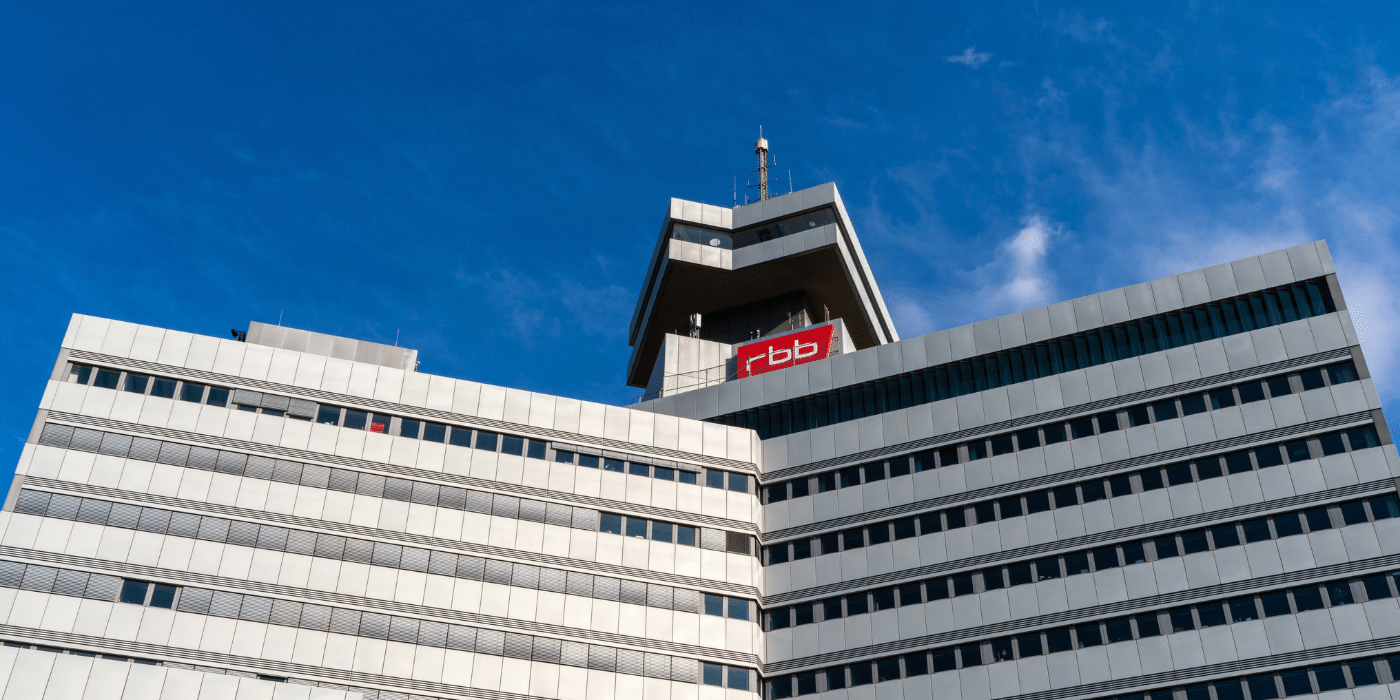

The case that is currently shaking up the political and media landscape: Stefan Gelbhaar, former member of the Bundestag for the Green Party, is demanding compensation of 1.7 million euros from Rundfunk Berlin-Brandenburg (RBB). The reason? Incorrect reporting by the broadcaster, which has significantly damaged his political career and therefore his income. But RBB reacted sharply and rejected the claim as "inappropriate". What is behind this dispute and what does it mean for journalism?
The background: A report that changed everything
It was December 31, 2024, when RBB broadcast an explosive story in its evening show. The report made allegations of harassment against Gelbhaar. However, it soon emerged that the identity of a key witness had not been sufficiently verified. A serious mistake. As a result, the report was withdrawn, but the damage had already been done for Gelbhaar.
Prior to the reporting, Gelbhaar still had the chance to return to the Bundestag as a direct candidate for the Berlin-Pankow constituency. But the scandal put an abrupt end to his career. At the insistence of the Green Party leadership, Julia Schneider was nominated as a candidate instead. Gelbhaar is now demanding that he be compensated for this loss - a total of 1.7 million euros. 500,000 euros is to be compensation, the rest is the lost income from parliamentary allowances and political influence that he would have earned as a member of the Bundestag.
RBB's answer: A clear contradiction
RBB has firmly rejected Gelbhaar's claim. The broadcaster argues that Gelbhaar had already renounced a place on the Greens' state list before the erroneous report. The decision to nominate a new direct candidate for the Pankow constituency had also been made before the publication of the controversial report. The portrayal in the media report was therefore not the decisive factor in his defeat.
Nevertheless, RBB has acknowledged the "serious errors" in its reporting and apologized to Gelbhaar. A special commission is currently investigating how the discrepancies in the research could have come about. The final report is expected in the first week of March.
What does this case mean for journalism?
This case shows once again how great the influence of the media can be on an individual's political career. Incorrect or inadequately verified reporting can have existential consequences - for the individuals concerned, but also for the reputation of the broadcaster itself. The fact that RBB has now admitted mistakes and apologized is also a step in the right direction. However, at a time when political and social issues are quickly disseminated on Twitter and the like, the question remains: how can journalism become even more reliable and error-free?
Media responsibility: Why mistakes could become more expensive
It is easy to see the error on the RBB side, but this case is also a reminder for all media outlets that are perhaps a little too quick to criticize in their reporting. It is unacceptable for political careers to be destroyed by inadequate research. But is it really the media's job to pay compensation? Perhaps the media houses should take more responsibility for their mistakes, but politicians should also ensure that such mistakes happen even less frequently in future. An appeal to everyone: facts, facts, facts - and a little more patience.
Recht 24/7 was the only online law firm to receive the Focus Money “Highest Customer Satisfaction” seal for the fourth consecutive year Recht 24/7 2023, 2024, 2025, and 2026 . The online law firm Recht 24/7 founded in 2003 with the slogan “Law can be simple” and has since helped more than 100,000 satisfied clients with all legal matters. This is also evidenced by the “Very High Customer Trust” award from WirtschaftsWoche in October 2024.

In the areas of trademark applications and start-ups, the firm filed the most applications in Germany in 2022 and 2021:
https://dev-recht24-7.de/dpma-markenanmeldung-mit-deutschlands-nummer-eins/