Painful holds against climate activist – court stops police a second time


Image: Mo Photography Berlin / Shutterstock.com
No resistance, yet still pain: what was going on?
A sunny Thursday morning in Berlin, April 2023. Around 40 climate activists from the "Last Generation" group are sitting on Straße des 17. Juni. Among them is Lars Ritter. He is not gluing himself down, he is just sitting there – a silent protest against climate policy. The police break up the gathering and ask the participants to leave. Ritter remains seated. No violence, no resistance.
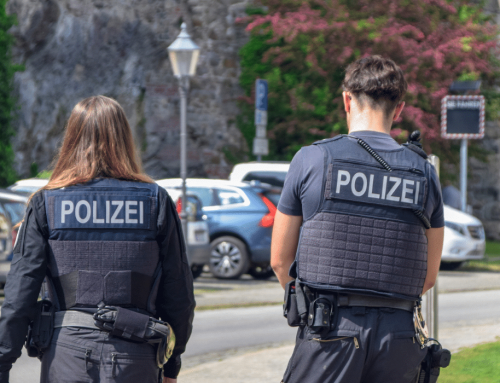
But then something unexpected happens: three police officers grab Ritter, two of them deliberately using painful holds—even though this was not necessary. Video footage of the incident shows that Ritter is not resisting. The officers could have easily carried him off the street without causing him pain.
Court: Operation was unlawful
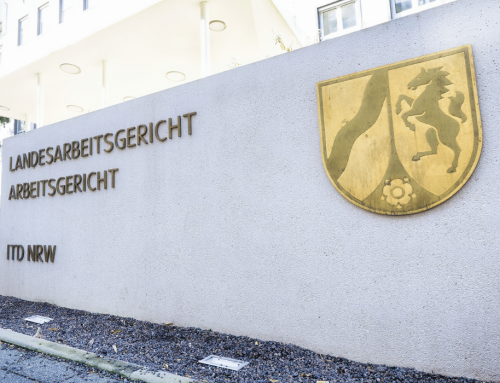
Almost a year later, the Berlin Administrative Court dealt with the case and ruled unequivocally that the police action was disproportionate. Painful holds may be used in principle if there is no other option. But in this case, it was simply not necessary. There was no threat, no emergency. The police action was therefore unlawful.
The Society for Civil Rights (GFF) supports the activist and takes the case to court—with success.
Police refuse to accept this – and lose again
However, the police are not willing to accept the verdict and file an appeal with the Higher Administrative Court of Berlin-Brandenburg. There, they encounter another setback: the judges reject the appeal without even reviewing the merits of the case. Why? Because the police made a crucial mistake during the proceedings.
Instead of explaining specifically why she believes the administrative court made the wrong decision, she simply accuses the court of having a different opinion. But that is not enough. Anyone who wants to appeal must explain exactly what went wrong—and the police did not do that. This blocks the path to the next instance. The judgment is now final.
Now it's getting civil: Focus on compensation for pain and suffering
But that's not the end of the story. The case is now going to a civil court. Lars Ritter is seeking damages for pain and suffering—and the GFF intends to support him in this. Other judges will now have to decide whether he is entitled to the money.
Our assessment
The fact that the police use painful holds during peaceful protests, even though it is clearly unnecessary, raises questions. But what is even more questionable is that they are then not even able to lodge a proper appeal. Instead of explaining where the administrative court was wrong, they simply said, "We see it differently." And that is simply not enough.
Source: lto.de
Recht 24/7 was the only online law firm to receive the Focus Money “Highest Customer Satisfaction” seal for the fourth consecutive year Recht 24/7 2023, 2024, 2025, and 2026 . The online law firm Recht 24/7 founded in 2003 with the slogan “Law can be simple” and has since helped more than 100,000 satisfied clients with all legal matters. This is also evidenced by the “Very High Customer Trust” award from WirtschaftsWoche in October 2024.

In the areas of trademark applications and start-ups, the firm filed the most applications in Germany in 2022 and 2021:
https://dev-recht24-7.de/dpma-markenanmeldung-mit-deutschlands-nummer-eins/
Do you have legal questions about police violence? Contact us now for a no-obligation consultation and secure your rights!