Satire in the age of Twitter: when politics and parody collide
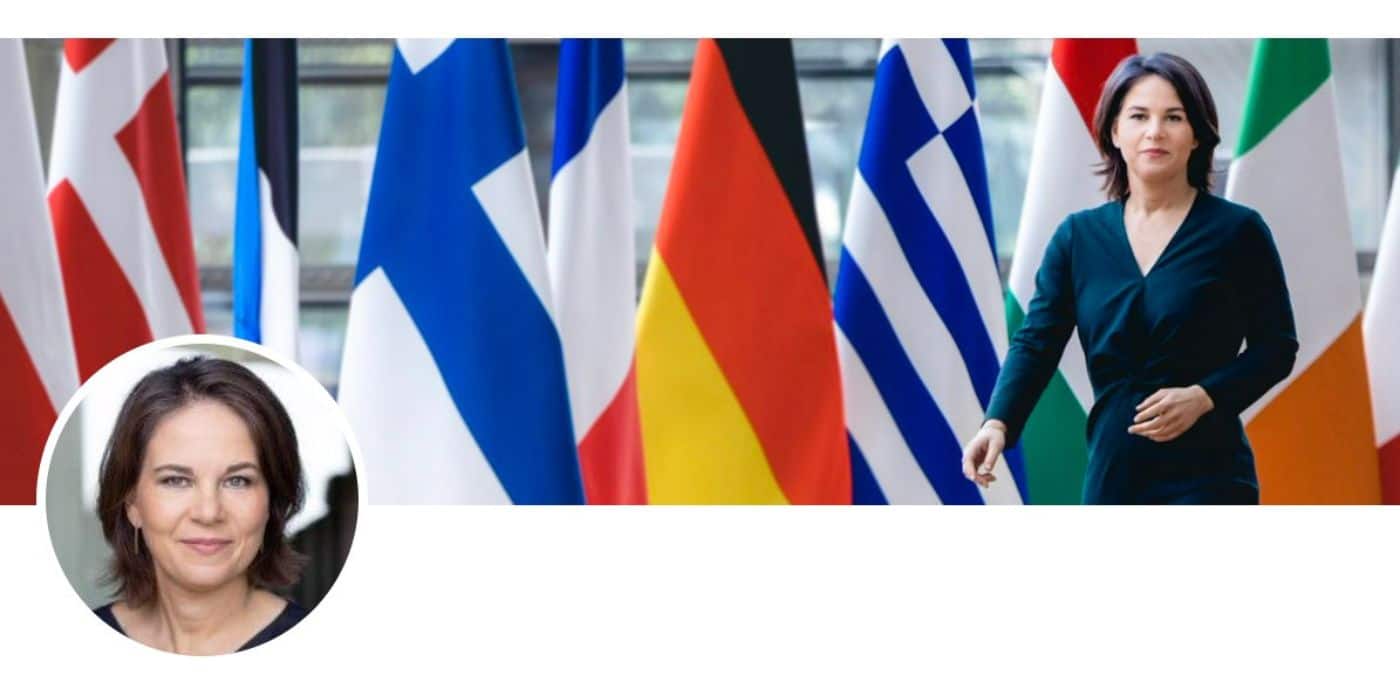

Source: https://twitter.com/
Or: Baerbock against Twitter
Satire has challenged the powerful throughout history, from ancient dramas to today's comedy shows. However, in the age of social media, the line between truth and satire is becoming increasingly thin, which can lead to real challenges for policy makers.
The digital doppelganger: Baerbock's Twitter parody
The digital world offers unlimited opportunities for expressing opinions, which is often a source of creativity and humor. A current example is the satirical Twitter account "Foreign Minister Parody Annalena Baerbock", which looks very similar to the real Annalena Baerbock, the German Foreign Minister. This account regularly pokes fun at Baerbock with humorous and exaggerated tweets and has attracted thousands of followers in a very short space of time.
The boundary between fun and seriousness
Satire is supposed to provoke and make people think, but what happens when the line between reality and jokes is blurred? The satirical account was criticized for its resemblance to Baerbock's real profile, particularly because it tweeted on topical and sensitive political issues.
One particular incident concerned the coup in Niger, where a tweet from the parody account mocked the serious situation and disrupted real political communication in the process. This showed that the impact of such a satirical account in Twitter's real-time communication can be far-reaching.
Response and measures
In view of the risk of confusion and potential political consequences, the Federal Foreign Office reacted and called on Twitter to take action. The account was temporarily suspended and some of its features were changed to make it clear that it was a parody account.
Conclusion: Satire in a networked world
The story of Baerbock's Twitter parody raises questions about the role of satire in our digital society. While satire is an important tool for social criticism, this case also shows that it can have unexpected and serious consequences in today's connected world.
It remains to be seen how social media platforms and policy makers will deal with this ever-evolving challenge in the future. However, it is clear that the debate about the line between satire and reality in the age of Twitter is far from over.
Recht 24/7 was the only online law firm to receive the Focus Money “Highest Customer Satisfaction” seal for the fourth consecutive year Recht 24/7 2023, 2024, 2025, and 2026 . The online law firm Recht 24/7 founded in 2003 with the slogan “Law can be simple” and has since helped more than 100,000 satisfied clients with all legal matters. This is also evidenced by the “Very High Customer Trust” award from WirtschaftsWoche in October 2024.
In the areas of trademark applications and start-ups, the firm filed the most applications in Germany in 2022 and 2021:
https://dev-recht24-7.de/dpma-markenanmeldung-mit-deutschlands-nummer-eins/