
Plagiarism on the chocolate shelf? Aldi under fire for allegedly counterfeit packaging
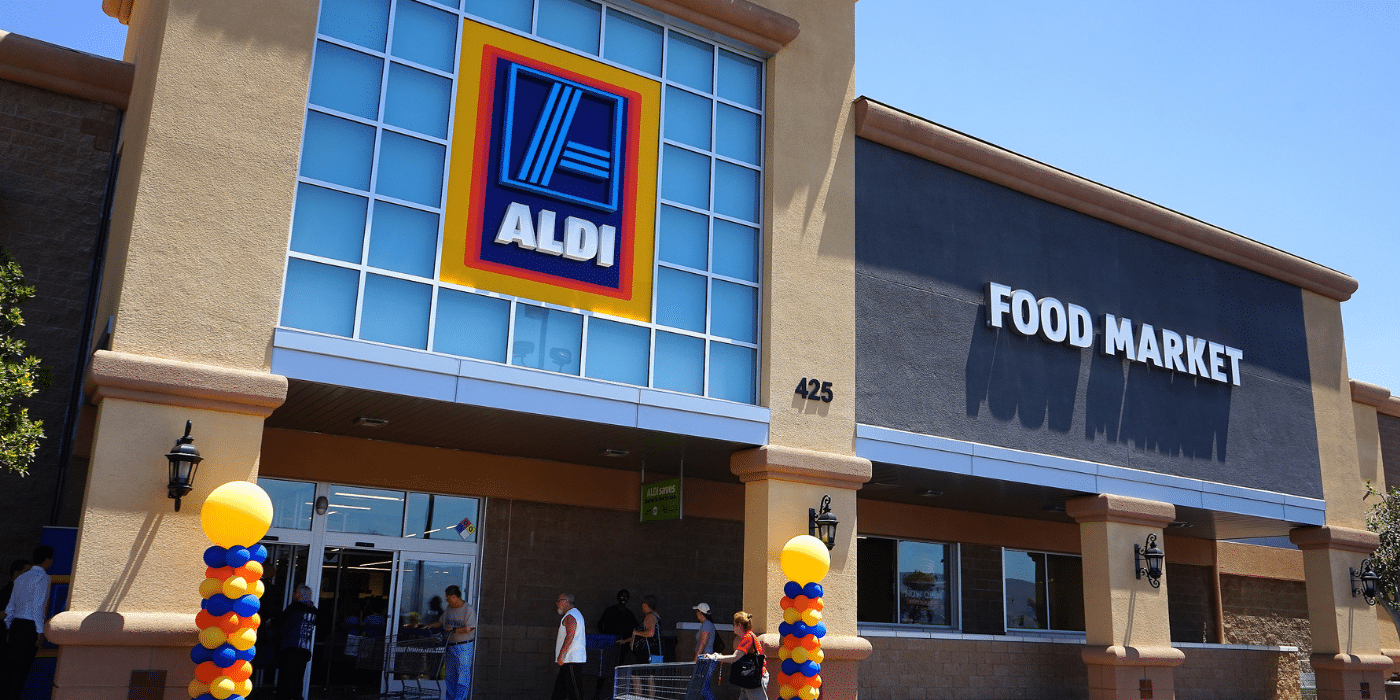

Oreo or just similar? Mondelez sues Aldi in the USA
In the US state of Illinois, a sweet dispute is currently turning bitterly serious: snack giant Mondelez is suing Aldi USA because the discounter is alleged to have copied too much from the packaging design of its own brands. Specifically, the question is: should products look so similar that customers could confuse them with well-known Trademarks ?
Mondelez - the company behind Trademarks such as Oreo, Chips Ahoy and Wheat Thins - speaks of "consumer deception" and sees its brand identity threatened. The lawsuit is now before the federal court in Illinois.
From blue to red: Aldi's packaging too close to the originals?
According to the statement of claim, several Aldi products can hardly be distinguished visually from the original.
Examples:
- "Thin Wheat" from Aldi is said to look almost identical to Wheat Thins
- A blue cookie box is strongly reminiscent of Oreos
- Red cracker packaging is reminiscent of Ritz
Mondelez is therefore demanding compensation and a ban on the sale of the affected products.
Aldi has so far remained silent, although Mondelez says it has already issued several warnings. In some cases, the discounter has even backed down and changed packaging or removed products from the shelves. Others, however, remain unchanged in the product range - and this is precisely where the lawsuit comes in.
Aldi's own brands in focus: Clever or brazen?
Aldi has been criticized in the USA for some time for deliberately using its own brands to resemble the look of major brand manufacturers in order to persuade customers to buy them. The business model is clear: low prices, maximum recognizability, but not necessarily with the expensive original.
The buzzword here is "trade dress" - the typical appearance of a product, including colors, layout and design. And this is where it gets legally exciting: when is similarity still permitted - and when does deception begin? US law has strict rules in this respect. And Mondelez now wants to set a clear example with this case.
Cheap is okay - but please come up with your own idea!
Of course, private labels make economic sense - as long as they don't become deceptive packaging for the customer. When packaging is deliberately designed in such a way that it can be mistaken for the original in passing, things get tricky. This is no longer cleverly calculated, but simply consumer deception.
Aldi should focus on its own strengths - namely affordable products with quality - not on imitating the brand image of other manufacturers. Because if you deliberately play with the image of others, you risk more than just a lawsuit - you jeopardize trust.
Recht 24/7 was the only online law firm to receive the Focus Money “Highest Customer Satisfaction” seal for the fourth consecutive year Recht 24/7 2023, 2024, 2025, and 2026 . The online law firm Recht 24/7 founded in 2003 with the slogan “Law can be simple” and has since helped more than 100,000 satisfied clients with all legal matters. This is also evidenced by the “Very High Customer Trust” award from WirtschaftsWoche in October 2024.
In the areas of trademark applications and start-ups, the firm filed the most applications in Germany in 2022 and 2021:
https://dev-recht24-7.de/dpma-markenanmeldung-mit-deutschlands-nummer-eins/
Do you have questions about plagiarism cases or need legal assistance? Get advice now and protect your trademark rights!