
Parcel gone - bad luck? Who is really liable if the delivery disappears
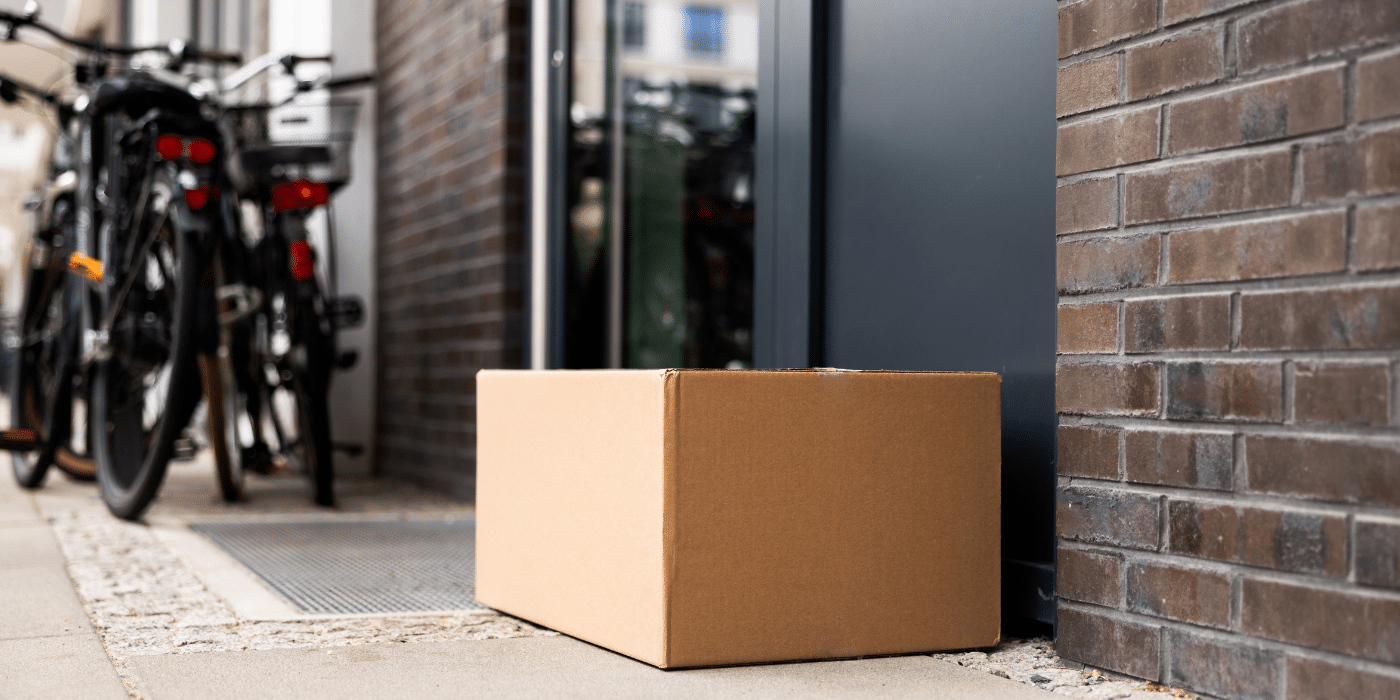

The parcel trap: convenient, fast - but dangerous
It's a classic of the online age: you order something, look forward to the delivery - and then? The parcel is gone. The annoyance is great, the frustration even greater. More and more often, parcels don't end up with the recipient, but somewhere else: on the patio, in the hallway or even in the paper garbage can (yes, this actually happens!). Amazon in particular seems to be putting on the pressure: Customers should specify a fixed drop-off location if possible. Practical? Perhaps. But also legally a hot potato.
Because as soon as the parcel is not handed over directly, but is "deposited" somewhere, the question arises: What if it disappears? Who pays for the damage?
Without authorization: Good cards for private customers
First of all, the good news for private individuals: If you order something from an online store and do not give express permission as to where the parcel may be left, the retailer usually bears the risk. So if it gets lost in transit or is simply left somewhere and stolen, it's not your problem.
In technical jargon, this means that in the B2C sector (i.e. from companies to private individuals), the seller is liable until the actual handover. This only changes if you explicitly agree that the parcel may be left "behind the garden gate", for example.
With parking permit: Risk lies with the customer
And this is where it gets dicey: if you tell the parcel service or retailer to "just put it in the garage", then in case of doubt you are also responsible yourself if the parcel no longer appears there. With this authorization, you voluntarily assume the risk. This applies to both private and business customers.
What many people do not know: This consent can be given with a single click in the customer account or in the order form. And hardly anyone reads the small print. A real problem, especially if the parcel carrier interprets the drop-off location very freely.
In the business customer sector: no protective shield
For business customers (B2B), the situation is worse from the outset: Here, the customer is generally liable as soon as the parcel has been handed over to the transport service - regardless of whether a drop-off authorization has been issued or not. Only if the deliverer acts with gross negligence (e.g. visibly leaves the parcel outside) can the carrier possibly be held liable. But even this is often a losing battle.
So what to do?
If you want to protect yourself from trouble, you should not issue a drop-off permit - at least not across the board. Alternatives such as packing stations or neighborhood drop-offs (by arrangement!) are safer. Retailers, on the other hand, should keep good records of when, how and where a parcel was delivered. If in doubt, a photo or digital proof of delivery can be worth its weight in gold - or even save the day.
Customers are lured into the trap
Honestly, this practice of "kindly" urging customers to give permission to park is a lousy act. Especially when there is no clear explanation of the risks. If Amazon & Co. really want to be customer-friendly, they should clearly state: "Be careful, if you click here, you are liable!" But that's exactly what doesn't happen.
Our advice: keep your eyes open when clicking - because with a single tick you can take responsibility for a lost parcel without even realizing it. And that's anything but fair.
Recht 24/7 was the only online law firm to receive the Focus Money “Highest Customer Satisfaction” seal for the fourth consecutive year Recht 24/7 2023, 2024, 2025, and 2026 . The online law firm Recht 24/7 founded in 2003 with the slogan “Law can be simple” and has since helped more than 100,000 satisfied clients with all legal matters. This is also evidenced by the “Very High Customer Trust” award from WirtschaftsWoche in October 2024.

In the areas of trademark applications and start-ups, the firm filed the most applications in Germany in 2022 and 2021:
https://dev-recht24-7.de/dpma-markenanmeldung-mit-deutschlands-nummer-eins/
Secure your rights in the event of parcel loss! Book a consultation now and clarify your claims.