Oktoberfest trademark dispute: Who can market the world's biggest folk festival?

A conflict over beer and tradition
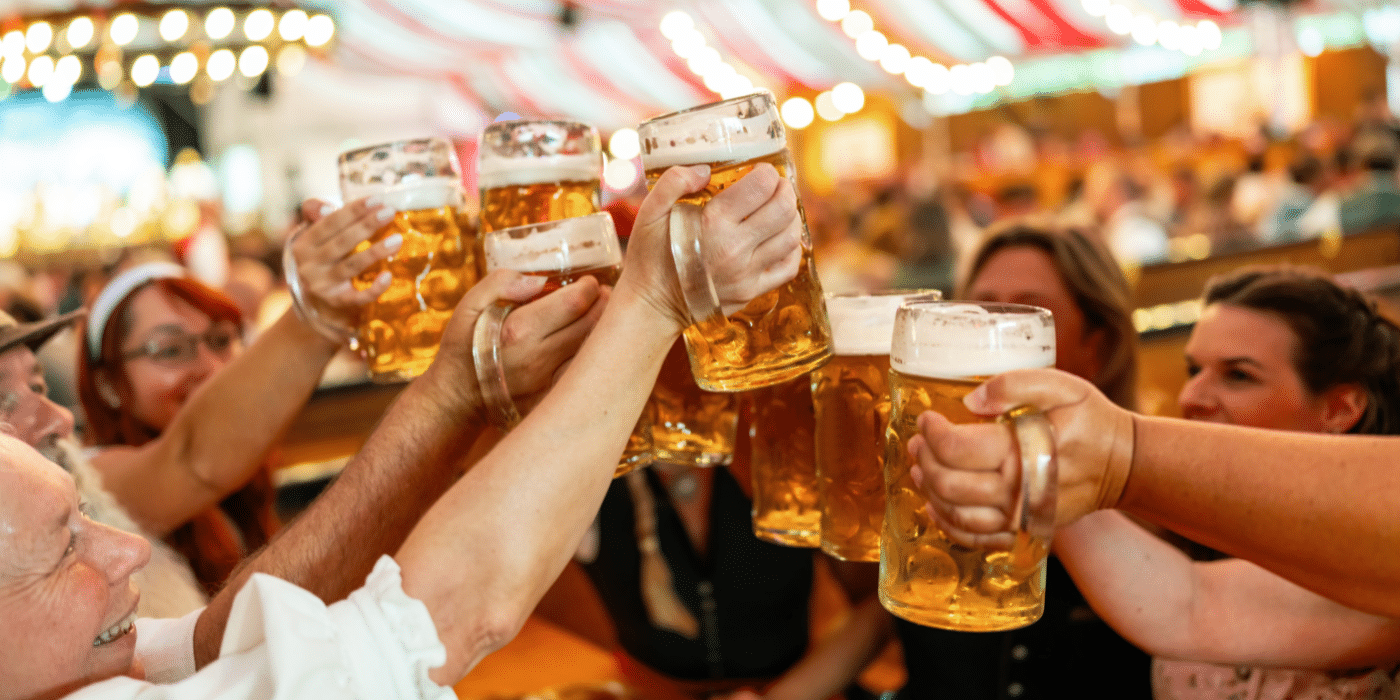
The Oktoberfest is the largest and most famous folk festival in the world and attracts millions of visitors to Munich every year. But behind the scenes, a bitter legal battle is raging over the festival's trademark rights. The city of Munich and a private individual are fighting over who has the right to use the name "Oktoberfest" commercially. What is behind this legal dispute and what impact could it have on the famous festival? We take a look at the background and the current status of the dispute.
Who claims the rights?
At the heart of the conflict is the question of who owns the trademark rights to the term "Oktoberfest". The City of Munich sees itself as the guardian of the traditional festival and would like to claim the trademark rights for itself in order to protect the authenticity and character of the Oktoberfest. On the other side is a private individual who has already secured the trademark rights and now wants to use them commercially.
The dispute flared up when the city of Munich realized that the trademark rights for the Oktoberfest were claimed by a private individual. This person had secured the rights and began to use the Oktoberfest logo and name for various products and services. The City of Munich sees this as a threat to the authenticity of the festival and fears that it will be diluted by commercial use.
City of Munich vs. private individual
The City of Munich argues that the Oktoberfest is a cultural heritage that must be protected. It wants to ensure that the Oktoberfest name and logo are not used for commercial purposes at will, but remain within a framework that preserves the tradition and character of the festival. The city has therefore taken legal action to claim the trademark rights and prevent the private individual from using them.
The private individual, on the other hand, argues that it has legally acquired the trademark rights and has the right to use them commercially. They see this as an opportunity to make the Oktoberfest better known worldwide and to open up new markets. In their view, the commercial use does not harm the festival, but rather helps to increase its awareness and popularity.
What is at stake?
The outcome of the legal dispute will have far-reaching consequences. If the City of Munich wins the trademark rights, it could impose stricter controls and restrictions on the commercial use of the Oktoberfest name and logo. If not, the name and logo could be used worldwide for different products and services, which could potentially affect the traditional character of the festival. This could also lead to a fragmentation of the trademark , as different companies and organizations could use the name for their own purposes.
Precedent in the area of trademark protection and cultural identity
While the city of Munich is rightly keen to preserve the authenticity and tradition of the festival, it is also understandable that a private individual would want to take advantage of the economic opportunities associated with a world-renowned trademark .
The protection of cultural heritage and traditions is of great importance, and it is important that such symbols do not lose their value through excessive commercialization. At the same time, legitimate property rights must be respected. It is to be hoped that a solution can be found that both protects the tradition of Oktoberfest and takes economic interests into account. A balancing act that requires sensitivity and foresight!
Recht 24/7 was the only online law firm to receive the Focus Money “Highest Customer Satisfaction” seal for the fourth consecutive year Recht 24/7 2023, 2024, 2025, and 2026 . The online law firm Recht 24/7 founded in 2003 with the slogan “Law can be simple” and has since helped more than 100,000 satisfied clients with all legal matters. This is also evidenced by the “Very High Customer Trust” award from WirtschaftsWoche in October 2024.
In the areas of trademark applications and start-ups, the firm filed the most applications in Germany in 2022 and 2021:
https://dev-recht24-7.de/dpma-markenanmeldung-mit-deutschlands-nummer-eins/
Are you unsure whether you are allowed to market the Oktoberfest? Get advice now and clarify your legal situation!