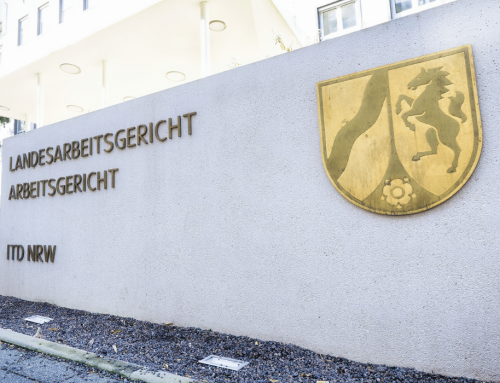
Lawsuit against Ryanair: Is the lack of a gender-neutral form of address discrimination?
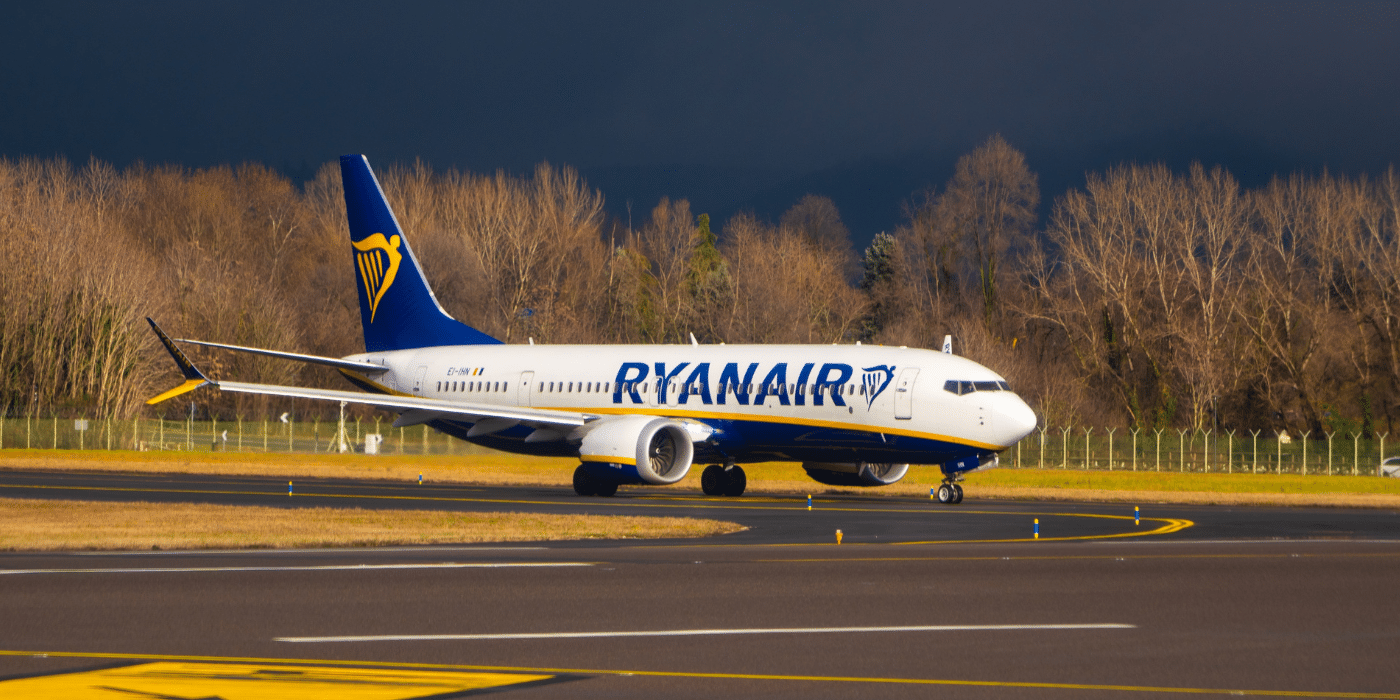

The debate about gender identity and the recognition of non-binary people is taking on new dimensions. A remarkable case now shows how a seemingly harmless process - booking a flight - can lead to a legal battle. A non-binary person is suing Ryanair for 5,000 euros in damages because the company's booking website only offered the salutation options "Mr." or "Mrs." - and no gender-neutral option was offered. The case could have far-reaching consequences not only for the airline, but also for companies worldwide.
Why is this case so important?
Imagine you want to book a ticket and have to decide whether you want to be addressed as "Mr." or "Mrs." - a simple choice, you might think. But for people who don't fit into these binary categories, this decision is a considerable burden. The case of René Rain Hornstein, who wanted to book a flight on the Ryanair website in October 2021, has now raised the legal question of whether companies are obliged to offer a gender-neutral form of address.
The legal dimension
Hornstein, who identifies as non-binary, felt discriminated against by not being able to address himself on the website without reference to gender. He argues that this violated his personal rights and that he is therefore entitled to compensation. Specifically, he is demanding 5,000 euros in compensation and a change to the booking options on the website. At the heart of the proceedings is the General Equal Treatment Act, which prohibits discrimination on the basis of gender and gender identity.
The airline Ryanair responded to the complaint by denying the allegations. It pointed out that Hornstein had also traveled with the airline in 2023 and 2024 without any changes being made to the salutation options. This raises the question: How serious is the actual discrimination if the person concerned nevertheless continues to use the same service?
A step into the future?
Hornstein's case could have far-reaching consequences - not only for Ryanair, but also for companies operating in an increasingly diverse society. It's about more than just choosing a form of address. It is about whether companies are able to recognize and respond to the needs of a society. If the court rules in favor of the plaintiff, this could set a standard for future digital offerings and further reinforce the obligation of companies to ensure inclusivity.
What does this mean in practice?
For companies, this means that they need to adapt their processes and offerings to the needs of an increasingly diverse customer base. While the law in many countries is slowly reacting to these changes, companies must already consider today how they can appeal to the broadest possible customer base without getting caught up in old, binary categories. If you want to survive in the digital world of tomorrow, you have to think about tomorrow today.
Do we really need a lawsuit for more inclusivity?
The topic of "gender neutrality" and dealing with non-binary people is undoubtedly important. Nevertheless, the question arises as to whether we really need a lawsuit to force a company to offer a gender-neutral salutation option. Shouldn't it go without saying that companies should give their customers the freedom to commit to certain identity categories without pressure? Perhaps it's time we took the social discussion even further and considered how such matters can be resolved in line with open and respectful communication.
Recht 24/7 was the only online law firm to receive the Focus Money “Highest Customer Satisfaction” seal for the fourth consecutive year Recht 24/7 2023, 2024, 2025, and 2026 . The online law firm Recht 24/7 founded in 2003 with the slogan “Law can be simple” and has since helped more than 100,000 satisfied clients with all legal matters. This is also evidenced by the “Very High Customer Trust” award from WirtschaftsWoche in October 2024.

In the areas of trademark applications and start-ups, the firm filed the most applications in Germany in 2022 and 2021:
https://dev-recht24-7.de/dpma-markenanmeldung-mit-deutschlands-nummer-eins/