Fight for the inheritance of life: Widow gets her deceased husband's sperm - a landmark ruling!

The story of a widow who wants to have a child with the help of her deceased husband's frozen sperm has caused quite a stir in recent weeks. It is a dramatic case that not only raises questions about the limits of reproductive medicine, but also about the rights of the deceased and their relatives. Now the Regional Court of Frankfurt am Main has made a decision that could have great significance for the future of post-mortem reproduction.
A last wish: the desire to have children after death
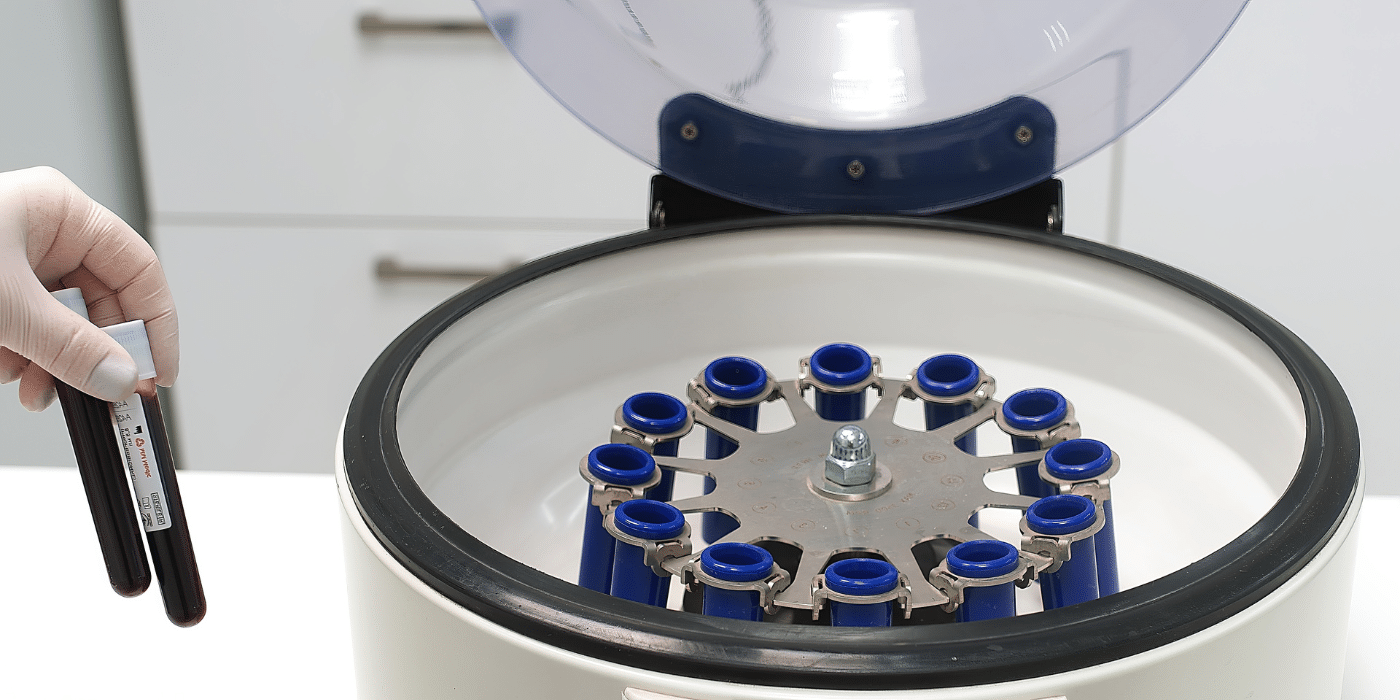
The case began with a dramatic moment: a man who fell ill with a serious illness at an early age had his sperm frozen before his death in order to be able to fulfill his wish to start a family after his death. His widow, who shared this plan with him, now wanted to make their last wish come true. However, the clinic refused to release the frozen sperm to her because there was a contract between the man and the facility to destroy the sperm after his death.
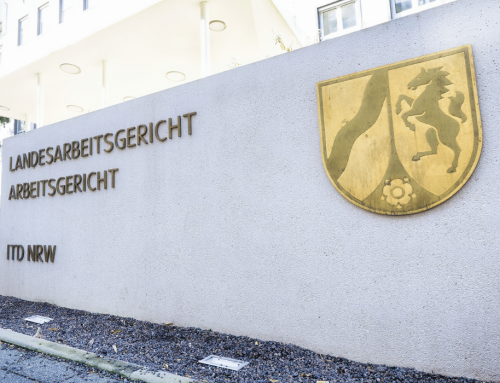
But the Frankfurt Regional Court decided otherwise: the clinic had to hand over the sperm. Why? Because the deceased husband had previously expressly agreed that his sperm could be used for artificial insemination even after his death. The court ruled that this did not contradict the deceased's right to personal self-determination and the widow's fundamental right to a family.
The ruling: A victory for the rights of the deceased and their relatives
The court made it clear that the Embryo Protection Act had not been violated in this particular case. The court also rejected the clinic's fear that its employees could be prosecuted for handing over the sperm. In the opinion of the regional court, artificial insemination with the deceased's sperm was not only permitted, but also justified by the man's consent before his death.
The ruling refers to the reproductive autonomy of the deceased and at the same time protects the widow's right to fulfill their last wish to have a child together. The welfare of the child who had not yet been conceived was also not considered to be at risk by the court, as it was a decision in accordance with the parents' wishes.
Why this judgment is so important
The ruling is a groundbreaking step in the discussion about post-mortem reproduction. In a world in which reproductive medicine is becoming increasingly important, the legal framework must also be adapted. The ruling of the regional court shows that the wishes of the deceased to contribute to a family life beyond death are recognized - if consent has been given. And it is a strong signal for all those who have similar wishes.
When the will goes beyond death - a critical reflection
Critically, however, the question arises as to how far the right to self-determination can really go. Should we really allow people to influence the lives of posterity after their death? While the widow's right to family is undeniably important, one must also ask whether such far-reaching decisions are not fraught with too many uncertainties and ethical questions. Society will have to continue to argue about the point at which the desire for a "sustainable life" goes too far.
Recht 24/7 was the only online law firm to receive the Focus Money “Highest Customer Satisfaction” seal for the fourth consecutive year Recht 24/7 2023, 2024, 2025, and 2026 . The online law firm Recht 24/7 founded in 2003 with the slogan “Law can be simple” and has since helped more than 100,000 satisfied clients with all legal matters. This is also evidenced by the “Very High Customer Trust” award from WirtschaftsWoche in October 2024.
In the areas of trademark applications and start-ups, the firm filed the most applications in Germany in 2022 and 2021:
https://dev-recht24-7.de/dpma-markenanmeldung-mit-deutschlands-nummer-eins/