Coffee instead of career? Why that cup of coffee at the café could cost you your job


Image: BongkarnGraphic / Shutterstock.com
Those who pay want performance—not latte macchiato
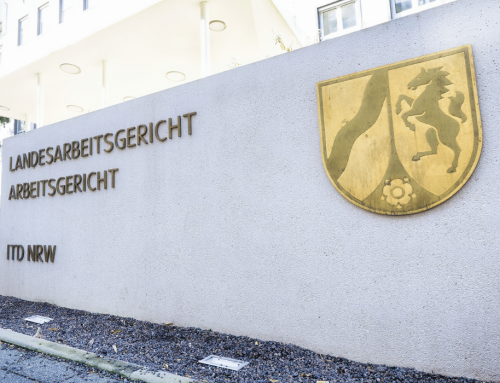
Let's be honest: Who hasn't thought about quickly going to get a coffee and counting it as a mini break? But what many consider a harmless habit can end up costing you your job—with immediate termination. This is demonstrated by a recent ruling by the Hamm Regional Labor Court. There, a long-time cleaning lady was fired without warning because she didn't start work after clocking in, but instead strolled over to the café across the street.
The employer got wind of this and confronted the employee. She denied everything. Even when witnesses reported seeing her in the café, she stuck to her story. Only later did she admit: Yes, there was something about coffee. But by then it was too late. The employer pulled the emergency brake—without notice.
Working hours are not flexitime for coffee breaks
What does the court say about this? Its stance is clear: anyone who records their own working hours bears responsibility for doing so. And anyone who clocks in but does not work is deceiving their employer. That is exactly what happened in this case. Worse still, the plaintiff not only documented her working hours incorrectly, she also covered up this mistake. The judges did not consider this a trivial matter, but rather a massive breach of trust.
The employee's argument that she had worked for many years without complaint did not help her. Even her severe disability did not change the verdict. The court remained firm: the combination of deliberate misrepresentation and lies in the disclosure was sufficient to terminate the employment relationship without warning.
Coffee at your desk? No problem. But please, no trips outside.
Now it's getting exciting for everyone who likes to drink a cappuccino between two emails: The ruling is not directed against coffee cups in the workplace. It's not about whether someone takes a sip of coffee while working. The decisive factor is whether working time is being "stolen" for this purpose—in other words, whether someone is officially working while they are actually out and about.
In plain language: According to the court, anyone who leaves the building during working hours to get a coffee but leaves the clock running is committing working time fraud. And depending on the case, this can lead directly to dismissal. A warning is not necessary because the breach of trust is so serious.
How do we classify this?
To be honest, this ruling is a warning shot with espresso strength. Of course, not every behavior should be punished immediately. But working hours are working hours. Anyone who gets paid for it must also deliver—whether they're a boss, an apprentice, or a cleaner. And anyone who gets caught and then lies about it doesn't deserve a coffee break, but rather a caffeine hangover in the form of termination. However, companies shouldn't resort to the harshest measures right away—and employees should take their breaks honestly. Anything else is playing with hot coffee.
Source: echo24.de
Recht 24/7 was the only online law firm to receive the Focus Money “Highest Customer Satisfaction” seal for the fourth consecutive year Recht 24/7 2023, 2024, 2025, and 2026 . The online law firm Recht 24/7 founded in 2003 with the slogan “Law can be simple” and has since helped more than 100,000 satisfied clients with all legal matters. This is also evidenced by the “Very High Customer Trust” award from WirtschaftsWoche in October 2024.
In the areas of trademark applications and start-ups, the firm filed the most applications in Germany in 2022 and 2021:
https://dev-recht24-7.de/dpma-markenanmeldung-mit-deutschlands-nummer-eins/
Want to advance your career? Avoid mistakes and book a consultation with our employment law experts now!