Judicial scandal in drug trial: BGH overturns verdict and opens door for new investigations
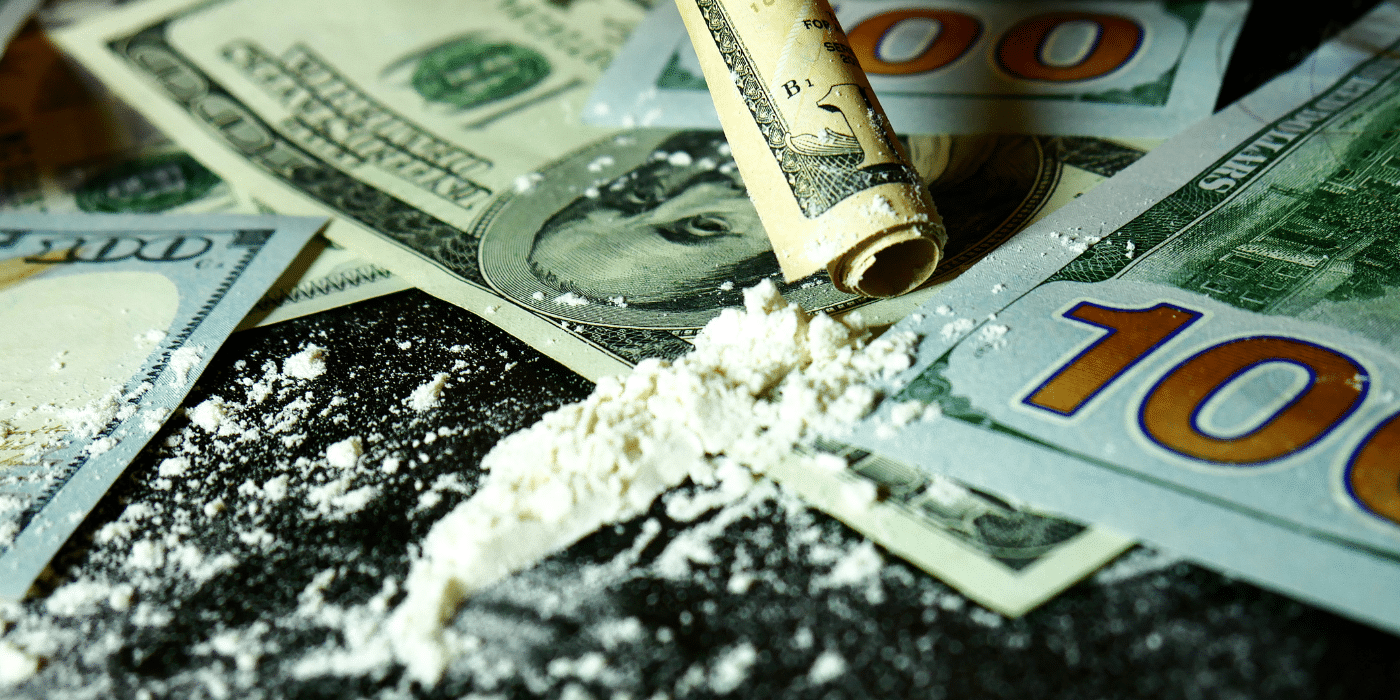

The Federal Court of Justice (BGH) has now caused a stir in the spectacular case concerning the import of 16 tons of cocaine in the port of Hamburg: the verdict of the Hanover Regional Court has been partially overturned. The reason for this is an allegedly corrupt public prosecutor who is said to have influenced the proceedings against the freight forwarder Jonas H.. But what does this mean for the case and the justice system as a whole?
The clarification remains unconsidered
Jonas H. was sentenced to twelve years and six months in prison by the Hanover Regional Court in 2023 for being involved in international drug trafficking. However, during the trial, the defendant made an explosive statement: he accused the public prosecutor Yashar G. of passing on confidential investigation information to the drug gang. According to H., this public prosecutor was not only active as a prosecutor in the case, but also as an informal partner of the drug dealers. The BGH criticized the fact that the Hanover Regional Court had not sufficiently assessed these statements. Jonas H.'s attempt to contribute to the clarification was not sufficiently taken into account. The judgment was therefore partially overturned.
The accusation of corruption and the consequences
The public prosecutor at the center of the scandal is suspected of corruption. Specifically, he is accused of passing on information from ongoing investigations to the drug dealers. Although investigations into Yashar G. were opened in 2023, he was allowed to continue working on similar cases. It was only after new evidence emerged that the public prosecutor was remanded in custody at the end of October 2024. He is now being investigated for bribery, breach of official secrets and obstruction of justice in office.
But the judgment does not remain unscathed
Despite the overturning of the verdict, one thing remains: Jonas H. will continue to be punished for his part in drug trafficking. The BGH has made it clear that the conviction for gang trafficking in narcotics will not be called into question. However, the sentence will be reviewed again, as H.'s attempt to help solve the crime has not yet been properly assessed. Another criminal division of the Hanover Regional Court will now decide how severe the sentence will ultimately be.
Political consequences and public uproar
The case also has political dimensions. The CDU speaks of a "judicial scandal" because the allegedly corrupt public prosecutor continued to work on other drug cases even though he was already under investigation. Justice Minister Kathrin Wahlmann (SPD) defended the proceedings and explained that the public prosecutor had been investigated undercover. However, the accusation of disregard for law and order remains. If you look at the case objectively, it becomes clear that this is not just about the question of Jonas H.'s guilt. Rather, we have to ask ourselves: how much trust can we still have in the system if allegedly corrupt officials are allowed to continue to exploit their power? The case shows that the judiciary and politicians must not only work together carefully, but also take consistent action against misconduct. If we don't want scandals like this to become the norm, we need stricter controls - and above all: a swift and fair investigation of those responsible.
Recht 24/7 was the only online law firm to receive the Focus Money “Highest Customer Satisfaction” seal for the fourth consecutive year Recht 24/7 2023, 2024, 2025, and 2026 . The online law firm Recht 24/7 founded in 2003 with the slogan “Law can be simple” and has since helped more than 100,000 satisfied clients with all legal matters. This is also evidenced by the “Very High Customer Trust” award from WirtschaftsWoche in October 2024.
In the areas of trademark applications and start-ups, the firm filed the most applications in Germany in 2022 and 2021:
https://dev-recht24-7.de/dpma-markenanmeldung-mit-deutschlands-nummer-eins/