Heidelberg - Germany's start-up capital: What founders need to know
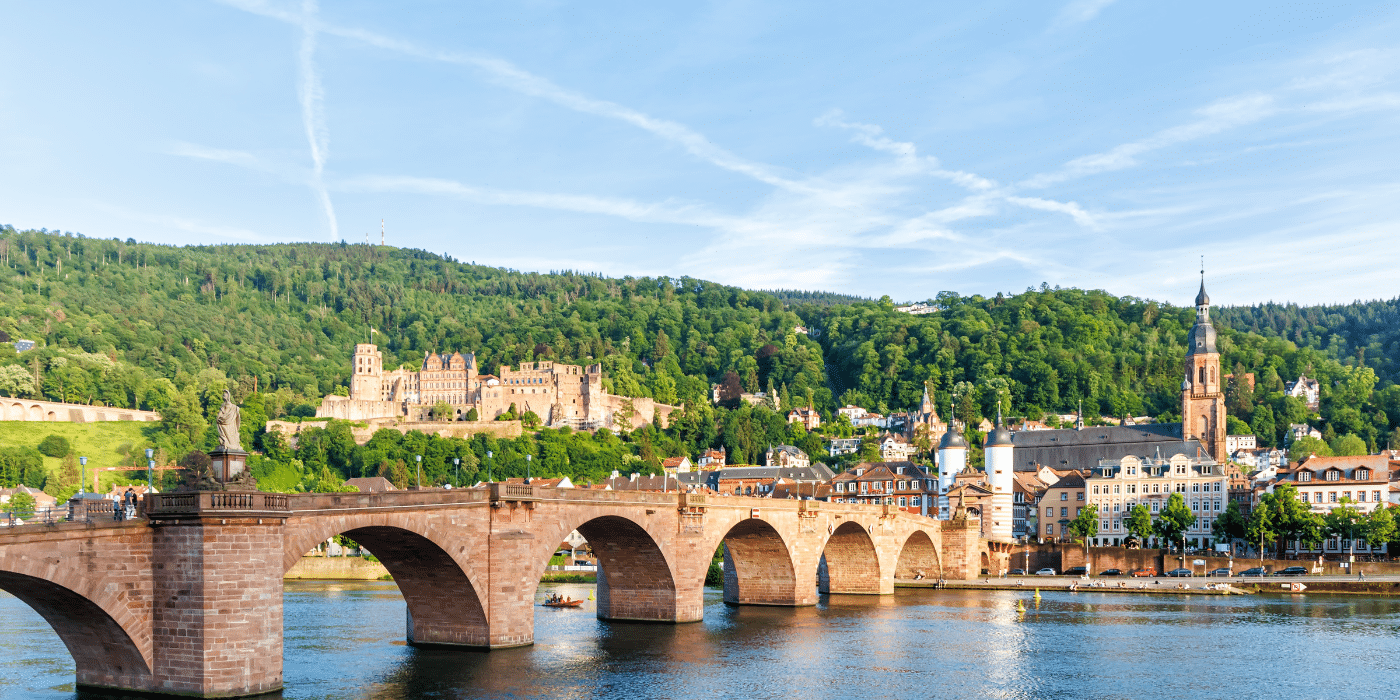

Something big is happening in Heidelberg: by 2024, the city has established itself as the leading location for start-ups in Germany - at least in terms of the number of start-ups per inhabitant. But what makes the venerable university city so attractive for start-ups, and why especially in the fields of medicine and software? We take a look at the success factors and challenges that start-ups face in this innovative city.
The start-up stronghold in the southwest
Heidelberg has managed to overtake cities such as Berlin and Munich in the race for the most start-ups per capita. With around 115 new start-ups in the last five years - many of them in the medical and software sectors - the city is setting standards for innovative founders. There are many reasons for this: the proximity to renowned research institutions such as the University of Heidelberg and the German Cancer Research Center (DKFZ) creates an environment that promotes innovation.nullThe location has proven to be a magnet for entrepreneurs in recent years, particularly in the field of digital healthcare solutions. A prime example of this is the "Fertia Health" app, which supports women with an unfulfilled desire to have children and aims to make the healthcare system more efficient through digital solutions. But software companies such as "Ameria" also show how important the location is for the digital revolution.
Research and innovation landscape as a driver of growth
Why Heidelberg? The answer lies in the unique combination of excellent research, first-class universities and a flourishing economy. The close networking between start-ups, universities and research institutions creates the perfect conditions for innovative ideas and business concepts. The start-up institute at SRH University, which supports numerous young companies, and the strong networks of investors and funding opportunities are just some of the success factors.nullFounders such as Anna-Lena Hudalla, who founded Fertia Health, repeatedly emphasize how valuable local expertise is. She speaks of a "huge network" and a "high quality of life" that makes Heidelberg such an attractive location for start-ups. However, there are also challenges: The lack of creative staff and the limited diversity of skilled workers compared to major cities such as Berlin remains an issue.
The start-up culture in Heidelberg: an exclusive network
The start-up culture in Heidelberg is special: it is closely interwoven with research and the universities. The Gründer-Institut not only offers advice and support in applying for funding, but also networking opportunities and space for young entrepreneurs. Start-ups in Heidelberg not only have access to the best scientific minds, but also to an international environment - the city maintains partnerships with global innovation hubs such as Palo Alto.nullHowever, like every medal, Heidelberg's start-up landscape has two sides: The high quality of life and outstanding level of education attract many, but the high demand for skilled workers can also limit start-ups in their growth plans. The location is therefore not the ideal one for every company, especially when it comes to creative or very international teams.
Critical commentary: What does Recht 24/7 say?
Heidelberg is undoubtedly a hotspot for start-ups - but in many cases the legal framework also has to be right. Start-ups in the fields of medicine and software in particular have to deal with complex legal issues: Data protection, intellectual property and regulatory requirements are just some of the issues that need to be dealt with. If you want to get off to a fast start here, you not only need to have innovative ideas, but also seek legal advice in good time. The city may have a lot to offer, but without the right legal support, the dream of setting up a company could be dashed sooner than you'd like. And that could put the brakes on the Heidelberg start-up scene - an issue that is often overlooked by the success stories.
Recht 24/7 was the only online law firm to receive the Focus Money “Highest Customer Satisfaction” seal for the fourth consecutive year Recht 24/7 2023, 2024, 2025, and 2026 . The online law firm Recht 24/7 founded in 2003 with the slogan “Law can be simple” and has since helped more than 100,000 satisfied clients with all legal matters. This is also evidenced by the “Very High Customer Trust” award from WirtschaftsWoche in October 2024.null
In the areas of trademark applications and start-ups, the firm filed the most applications in Germany in 2022 and 2021:
https://dev-recht24-7.de/dpma-markenanmeldung-mit-deutschlands-nummer-eins/