Border control at the airport: memes as a barrier to entry?
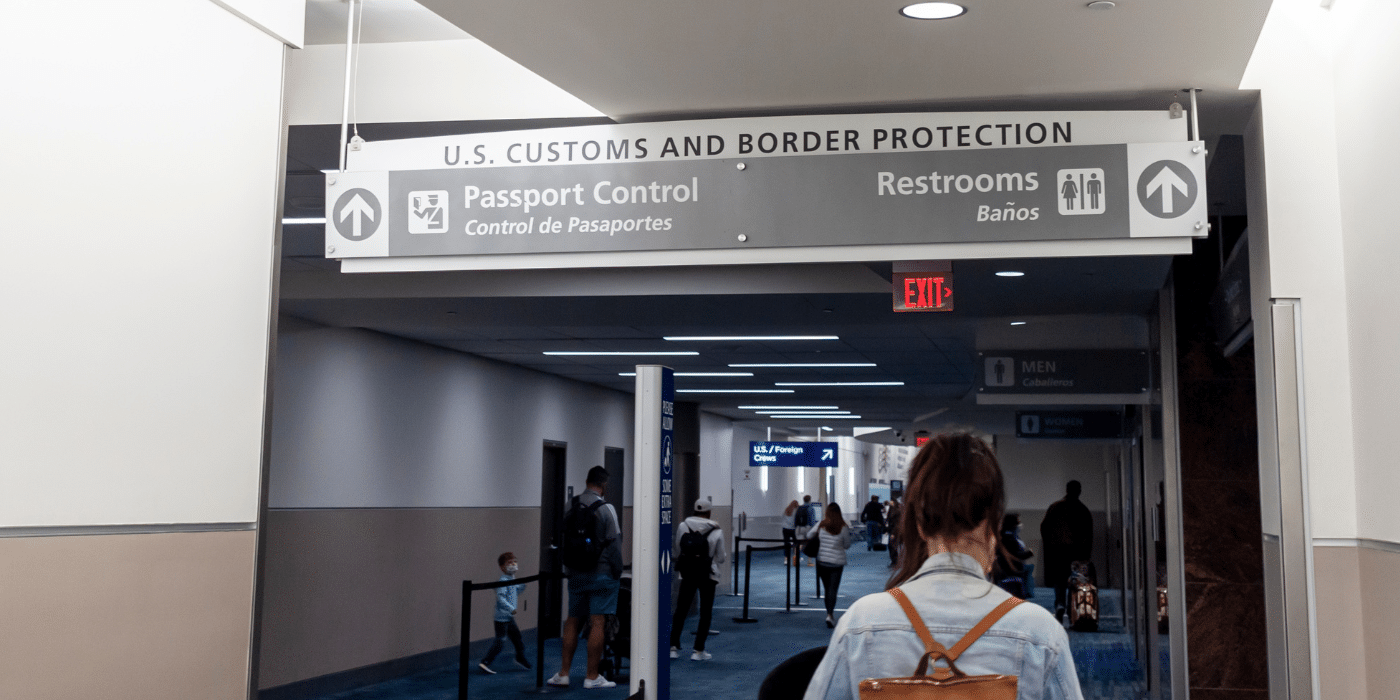

Imagine you are planning a trip to the USA to explore the land of opportunity. Everything seems perfect until you are intercepted by border guards at the airport. This is exactly what happened to 21-year-old Norwegian Mads Mikkelsen. He was allegedly denied entry to the USA because the officials found a meme on his cell phone depicting US Vice President J. D. Vance in a modified form.
The corresponding headline caused quite a stir: A young Norwegian is not allowed to enter the USA because he has a meme on his cell phone? It sounds absurd at first, but the story quickly took off. Mikkelsen told the Norwegian news portal Nordlys that he had arrived at Newark Airport in New Jersey on June 11. There, border police officers had taken him to a cell and questioned him about drug trafficking, terrorist attacks and right-wing extremism - completely without cause, he emphasized. The officers forced him to hand over the password for his cell phone, otherwise he was threatened with a fine of up to 5,000 dollars or five years in prison.
US border protection agency contradicts
The US Border Patrol (CBP) published a short statement on X questioning Mikkelsen's story. Although the CBP confirmed the denied entry, it was not because of the meme or for political reasons. The real reason for the forced return, according to CBP, was Mikkelsen's "admitted drug use".
Cases like these are not isolated incidents. Since Donald Trump took up his second term in office, reports of failed entries have become more frequent. One particularly sensational case occurred at the beginning of April when a Swiss woman was refused entry. She wanted to celebrate her birthday in New York and entered the country as a tourist with a valid electronic travel authorization (Esta). However, upon entering the country, she was questioned for six hours and the officials demanded access to her cell phone, social media accounts and e-banking. The Swiss woman was accused of trying to work in New York without authorization and had to leave the country again after 24 hours.
What does this mean for travelers?
These cases raise many questions: How secure is our personal data when entering the USA? What happens if a meme or a harmless post on social media is suddenly used against us? The US authorities have far-reaching powers and can turn travelers back without much effort. In response to the case of the Swiss woman, the Federal Department of Foreign Affairs (FDFA) has tightened its travel advice. Travelers should inform themselves in good time about the exact entry, residence and other regulations in order to avoid unpleasant surprises.
Justified security check or excessive control?
The question arises as to whether the methods used by border control authorities are proportionate or whether they invade the privacy of travelers. The fact that a meme or a social media post can lead to a refusal of entry should give us all pause for thought. Is this really the right way to ensure security, or are the authorities overstepping the mark here? We will stay tuned and keep a critical eye on developments.
Recht 24/7 was the only online law firm to receive the Focus Money “Highest Customer Satisfaction” seal for the fourth consecutive year Recht 24/7 2023, 2024, 2025, and 2026 . The online law firm Recht 24/7 founded in 2003 with the slogan “Law can be simple” and has since helped more than 100,000 satisfied clients with all legal matters. This is also evidenced by the “Very High Customer Trust” award from WirtschaftsWoche in October 2024.
In the areas of trademark applications and start-ups, the firm filed the most applications in Germany in 2022 and 2021:
https://dev-recht24-7.de/dpma-markenanmeldung-mit-deutschlands-nummer-eins/
Do you have questions about legal problems when entering the country? Book a consultation now and secure your trip!