A pack of cigarettes for 23 euros?
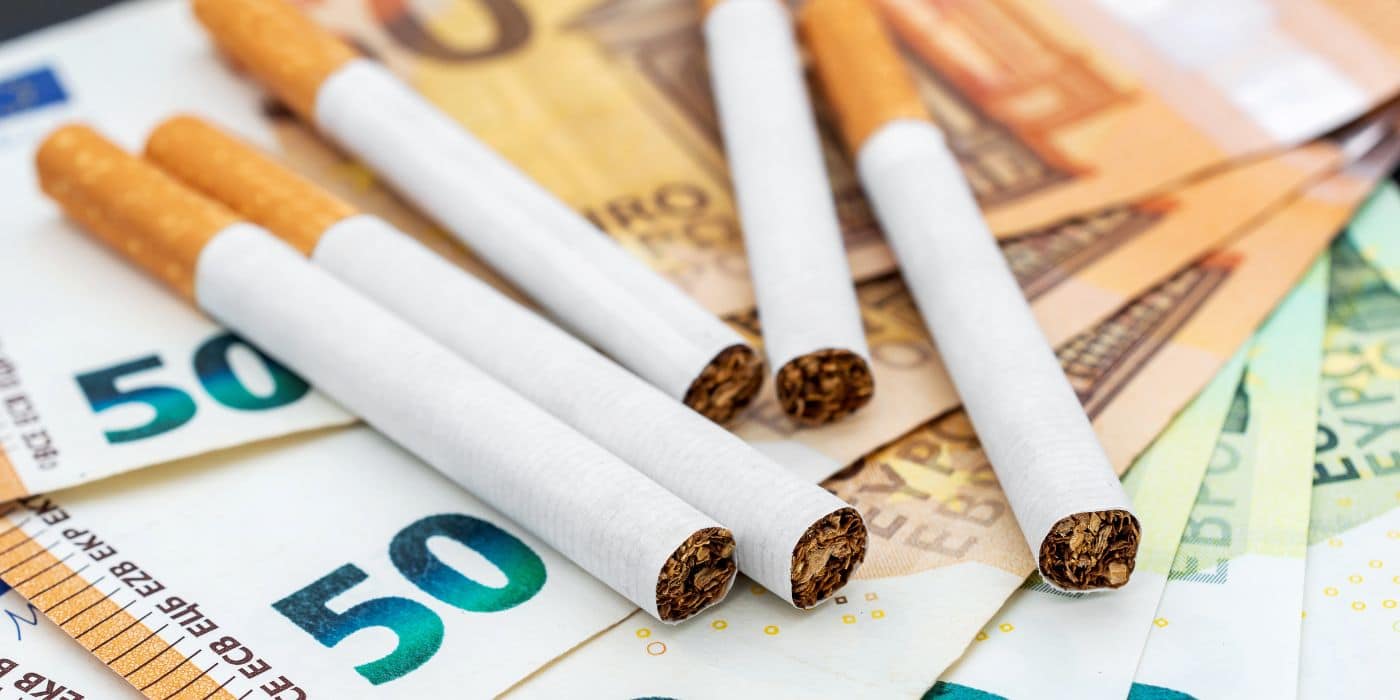

Tobacco consumption and its consequences have been a burning issue for decades. The effects of smoking on public health are well known and are regularly highlighted by experts. In a recent statement by the World Health Organization (WHO), a drastic measure was proposed to curb consumption and get the social costs under control.
Uncovered costs due to smoking
In his latest statement, Dr. Rüdiger Krech, Director of Health Promotion at the WHO, underlined the considerable financial burden caused by smoking in Germany. With annual costs of 97 billion euros caused by health problems, loss of working hours and other consequential costs of smoking, Germany has a comparatively modest income of 15 billion euros from tobacco tax.
WHO price proposal
In view of this discrepancy, Dr. Krech argues that the price of a pack of cigarettes, which is currently around eight euros, should rise to around 23 euros. This proposal is based on the difference between the actual cost of tobacco consumption and the revenue from tobacco tax.
Germany's attitude to smoking
While Germany is pursuing plans to gradually increase the tobacco tax by 2026, there are considerable differences in the smoking policies of the individual federal states. Some states allow smoking in many areas, while others enforce stricter smoking bans. This inconsistent approach is described by Dr. Krech as a "patchwork quilt".
The WHO demands for a consistent anti-smoking policy
In addition to a price increase, the WHO is calling for a comprehensive ban on smoking in important public places, the introduction of a general ban on advertising, the removal of brand names and logos from cigarette packets and the sale of tobacco products exclusively in specialized stores.
International comparison
Germany's position in an international comparison is not very flattering. In the "Tobacco Control Scale" ranking, which measures the implementation of legal tobacco control measures, Germany ranks 34th out of 37 possible places. In comparison, countries such as Ireland, France and New Zealand have introduced significantly stricter regulations and higher prices for tobacco products.
It is evident that the social costs of smoking far exceed the revenue generated by tobacco taxes. Dr. Krech's proposal is a wake-up call to take tobacco consumption and its negative impact on public health and the economy seriously. It remains to be seen how German politicians will react to these demands and whether a more consistent tobacco policy will be introduced in Germany.
Recht 24/7 was the only online law firm to receive the Focus Money “Highest Customer Satisfaction” seal for the fourth consecutive year Recht 24/7 2023, 2024, 2025, and 2026 . The online law firm Recht 24/7 founded in 2003 with the slogan “Law can be simple” and has since helped more than 100,000 satisfied clients with all legal matters. This is also evidenced by the “Very High Customer Trust” award from WirtschaftsWoche in October 2024.
In the areas of trademark applications and start-ups, the firm filed the most applications in Germany in 2022 and 2021:
https://dev-recht24-7.de/dpma-markenanmeldung-mit-deutschlands-nummer-eins/