A fast food scandal: the pizza filling controversy - 5 million lawsuit in New York
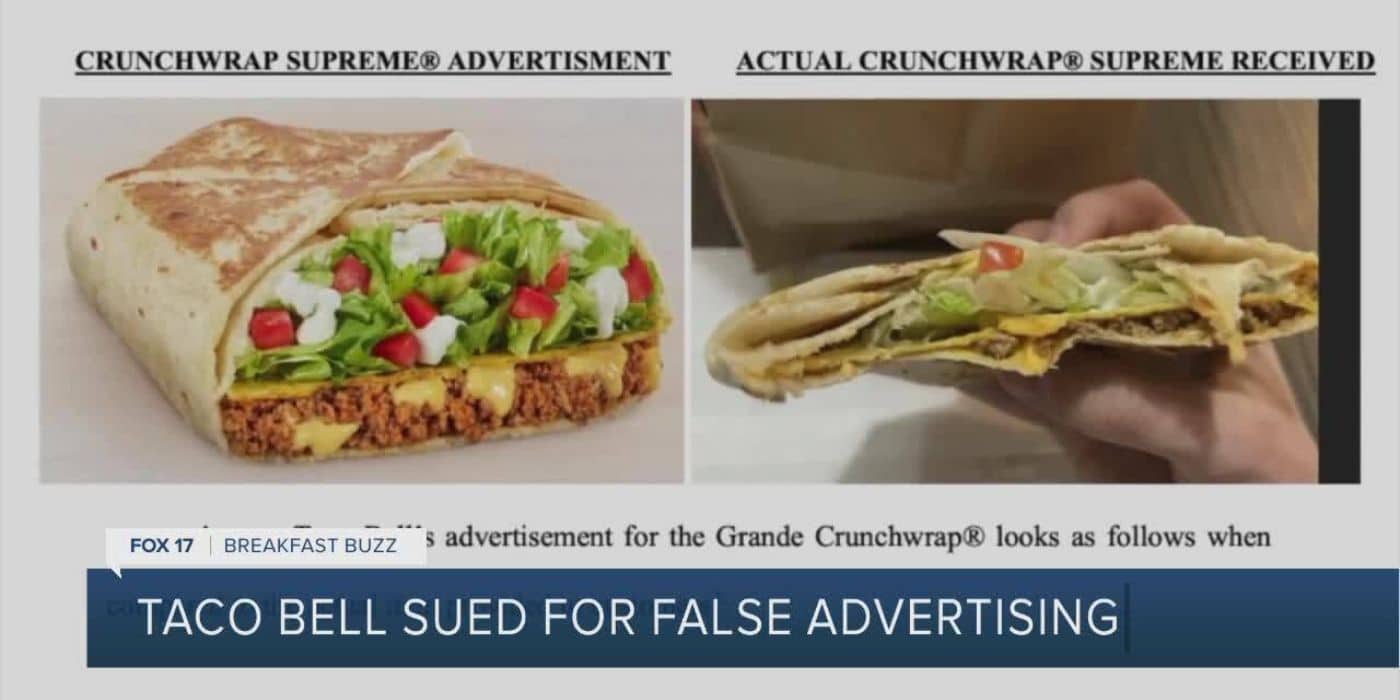

Source image: FOX 17/ Lawsuit against Taco Bell
Advertising versus reality: the eternal debate when it comes to fast food. But is the difference between the advertised product and what is actually served really so great that it should lead to a legal dispute? For Frank Siragusa from New York, the answer is a resounding yes!
A slice of reality - or not?
It's a lawsuit that is making the fast food industry sit up and take notice. A New Yorker who feels deceived when he unpacks the product and compares it with the advertising. Who hasn't experienced it: the juicy, lavishly topped burger or the temptingly filled pizza on the menu - and then the reality. In Frank Siragusa's case, however, the difference was so serious that he went to court.
Advertising as a lure
Misleading advertising is not a new complaint in the consumer world. Nevertheless, the question remains to what extent an advertisement must correspond to the actual product. Frank Siragusa claims that he was misled by the advertising. Instead of a sumptuous filling of minced meat and beans, he was disappointed by a meagre reality.
Support from the YouTube community
The online world plays a decisive role in this legal dispute. Many Youtubers who specialize in evaluating food and presenting it in direct comparison could serve as evidence. Their videos often show blatant differences between advertising and reality, which strengthens the arguments of Frank Siragusa and other dissatisfied customers.
The US jurisdiction and its high sums
For many, the claimed sum of 5 million dollars may initially seem excessive. But in the USA, such high claims for damages are not unusual. Above all, punitive damages play a role here. The aim is not only to compensate for the damage caused, but also to "punish" companies for future actions.
Conclusion
It will be interesting to see how this case turns out. One thing is certain: it highlights the discrepancy between advertising promises and reality in the fast food industry. And who knows - perhaps this case will be the beginning of a rethink in the advertising policies of many companies.
Recht 24/7 was the only online law firm to receive the Focus Money “Highest Customer Satisfaction” seal for the fourth consecutive year Recht 24/7 2023, 2024, 2025, and 2026 . The online law firm Recht 24/7 founded in 2003 with the slogan “Law can be simple” and has since helped more than 100,000 satisfied clients with all legal matters. This is also evidenced by the “Very High Customer Trust” award from WirtschaftsWoche in October 2024.

In the areas of trademark applications and start-ups, the firm filed the most applications in Germany in 2022 and 2021:
https://dev-recht24-7.de/dpma-markenanmeldung-mit-deutschlands-nummer-eins/