Dubai chocolate banned: A court overturns the sale - What does this mean for consumers?


Who would have thought that a chocolate could cause such a stir? But now it has happened: The Bochum Regional Court has decided to ban the sale of "Alyan Handmade Dubai Chocolate". The reason for the uproar: The chocolate is not produced in Dubai, which leads to consumers being misled. But what is really behind this ban and what does it mean for chocolate lovers in Germany?
What happened?
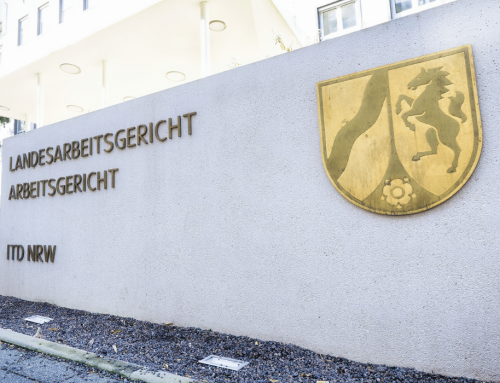
The Regional Court of Bochum has issued a temporary injunction to stop the sale of the popular "Alyan Handmade Dubai Chocolate". The company IA International GmbH from Dortmund is no longer allowed to sell the product via online platforms. The reason: The chocolate bears the name "Dubai", suggesting an origin from the metropolis. In reality, however, the chocolate is not produced in Dubai - and the court considers this to be misleading.
Who is behind the ban?
Andreas Wilmers from the company Süßwarenvertrieb Wilmers is behind this legal dispute. He actually imports chocolate from Dubai and has appealed to the court to take action against the "Alyan Handmade Dubai Chocolate" trademark . His argument: the term "Dubai" on the packaging could give the impression that the chocolate comes from the desert city, which is not the case. This misleading practice must be stopped in order to protect consumers.
The significance of the judgment and further legal disputes
This is not the first time that German courts have dealt with the so-called "Dubai chocolate". Sales at ALDI Süd were already stopped in Cologne, and a court in Frankfurt also rejected an application for a sales ban. So the question arises: How far can a designation of origin such as "Dubai" go on food products? Can you advertise with a name like this if the contents do not actually come from the region? In any case, there seems to be a legal gray area here that affects companies and consumers alike.
What does that mean for us?
For consumers, the ruling means that they should now pay more attention to the origin of products. Whether it's "Dubai chocolate" or other supposedly exotic products - it's always worth taking a closer look. Even if the taste is tempting, the origin of the product should not be misleading. If you are looking for authentic specialties, you may need to check more carefully in future whether the name on the packaging really does what it promises.
Advertising tricks at the expense of the truth? A critical look at the ruling
There is, of course, another perspective on the issue: do we have to regulate everything down to the last detail? A little leeway for creative product names could also be beneficial for the chocolate industry. However, this case shows once again how important it is for Trademarks to adhere to clear rules in order to build trust - both among consumers and competitors. At this point, Rechts24/7 would call for a uniform regulation for disputes over designations of origin to be created as soon as possible. We are curious to see whether other courts will take the same view as the Bochum Regional Court or whether there will be further surprises!
Recht 24/7 was the only online law firm to receive the Focus Money “Highest Customer Satisfaction” seal for the fourth consecutive year Recht 24/7 2023, 2024, 2025, and 2026 . The online law firm Recht 24/7 founded in 2003 with the slogan “Law can be simple” and has since helped more than 100,000 satisfied clients with all legal matters. This is also evidenced by the “Very High Customer Trust” award from WirtschaftsWoche in October 2024.

In the areas of trademark applications and start-ups, the firm filed the most applications in Germany in 2022 and 2021:
https://dev-recht24-7.de/dpma-markenanmeldung-mit-deutschlands-nummer-eins/