German Museum covers up installation with Elon Musk
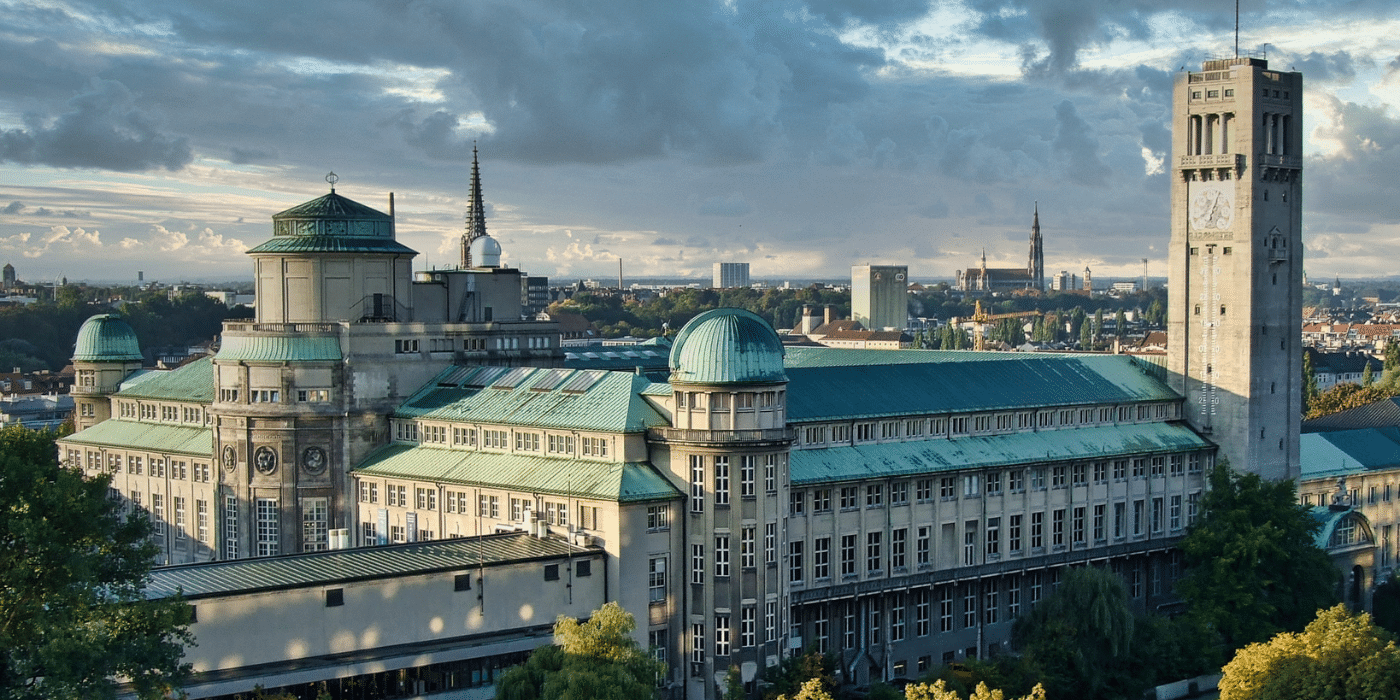

The Deutsches Museum in Munich has made a surprising decision: The glass installation that distinguished Elon Musk as a visionary in its space travel exhibition has been covered up. What is behind this move and what does it mean for the perception of personalities in history?
Why the prominent seat now remains empty
The decision to cover the board with Musk's name is not without reason. Musk, who is revolutionizing space travel with his company SpaceX and even has plans for Mars missions, is far from just a celebrated entrepreneur. His involvement in the political landscape, particularly his links to right-wing parties in Europe, have earned him a controversial reputation. These controversies have prompted the Deutsches Museum to take the step of covering the glass front. A spokesperson for the museum explained that the exhibition could not be updated without contextualization. Musk is therefore no longer part of the exhibition.
Is it wise to honor living personalities?
Another point that the museum addresses is the difficulty of honoring living people in a prominent place. A person's lifetime achievements can often only be properly assessed in retrospect. Musk may be celebrated today as an innovator, but his controversial statements and actions cast a shadow over this recognition. The museum's concern that uncritical representation could be seen as a problem highlights the dilemma that many institutions find themselves in. How do you honor the legacy of a person who inspires both admiration and criticism?
A new look at the exhibition
Although the glass front has been covered, the space in the museum will not remain empty. A new exhibit is planned, but details have not yet been announced. This could be an opportunity to redesign the exhibition and pay tribute to other visionaries who are less controversial or whose life's work is more clearly anchored in history. At a time when personalities are more central than ever, the question arises: how do we deal with the complexities of human heritage?
A new chapter: What comes after Musk?
This decision by the Deutsches Museum sheds an exciting light on the challenges associated with the presentation of living personalities. It is understandable that in this day and age, museums are sensitive about the issues surrounding their exhibitions. However, it could be argued that hiding controversy is not the way to go. Instead, we should tell the real stories, even if they are uncomfortable. History is not black or white, and our exhibitions should reflect that. It's time to openly discuss both the successes and the darker sides of personalities like Elon Musk
Recht 24/7 was the only online law firm to receive the Focus Money “Highest Customer Satisfaction” seal for the fourth consecutive year Recht 24/7 2023, 2024, 2025, and 2026 . The online law firm Recht 24/7 founded in 2003 with the slogan “Law can be simple” and has since helped more than 100,000 satisfied clients with all legal matters. This is also evidenced by the “Very High Customer Trust” award from WirtschaftsWoche in October 2024.
In the areas of trademark applications and start-ups, the firm filed the most applications in Germany in 2022 and 2021:
https://dev-recht24-7.de/dpma-markenanmeldung-mit-deutschlands-nummer-eins/