David against Goliath - and still a victory for the climate

Why the rejected ruling against RWE is making waves worldwide - and what it means for future climate lawsuits
Action dismissed? Yes. But not meaningless.
At first glance, it sounds like a defeat: Peruvian farmer Saúl Luciano Lliuya wanted to hold RWE responsible for climate change - and lost. But if you take a closer look, you realize that this ruling could be the beginning of a whole new legal movement.
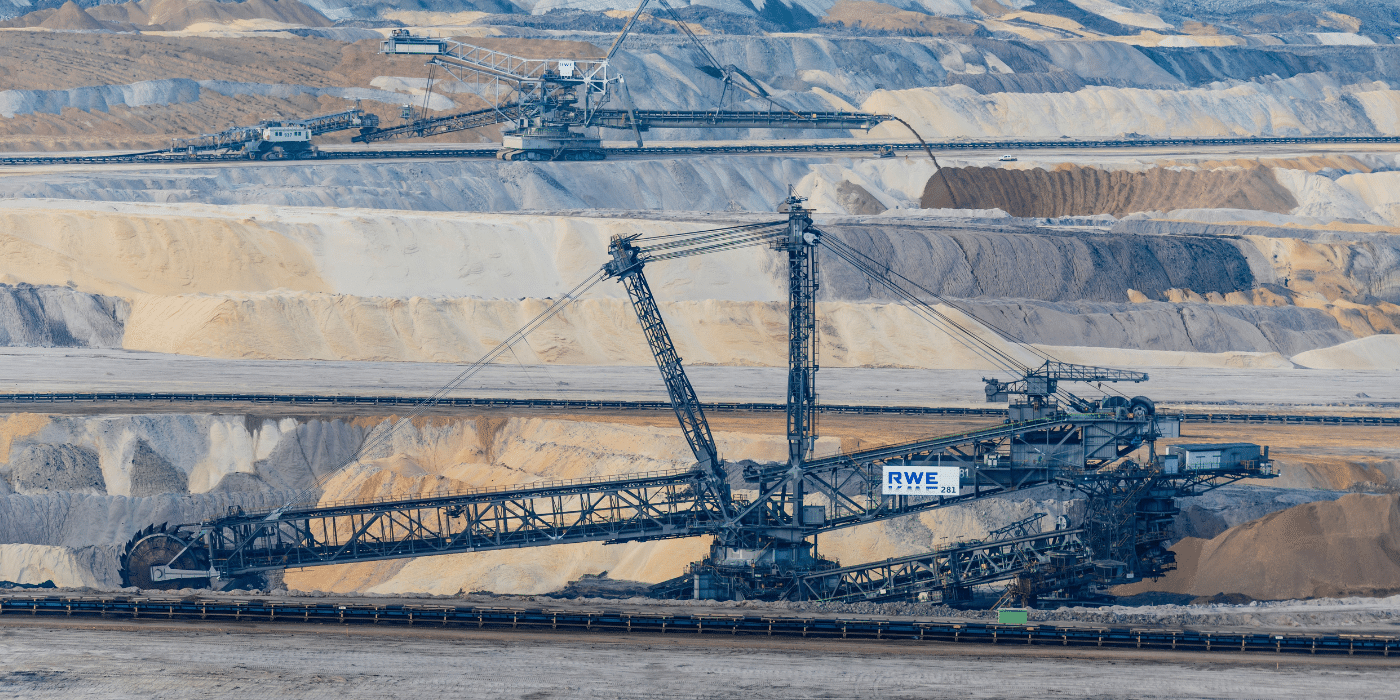
What was it all about? Lliuya lives in the Andes, below a glacier that is melting due to rising temperatures. The danger: a glacier flood could destroy his village. His idea: German energy giant RWE, one of the biggest CO₂ polluters in Europe, should contribute to the costs of protective measures. After all, the company bears a significant share of the blame for climate change - so the argument goes.
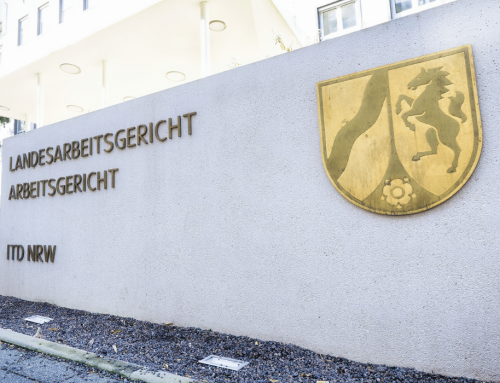
The Hamm Higher Regional Court ruled: In this specific case, there was no acute danger to the plaintiff's property - therefore no compensation. However, the court did not rule out the possibility that such claims could arise in principle. And that is precisely what is a bombshell.
From German civil law to global climate justice
One small but important legal detail is particularly exciting: the court applies the so-called "Stoererparagrafen" (Section 1004 BGB) to a global context. What does that mean? That a company can be held accountable even if its emissions do not contribute directly but are relevant to the danger at another location.
This is the first time in Germany (and probably worldwide) that it has been recognized by the courts that CO₂ emissions can legally be considered a disturbance - at least if they are emitted in large quantities. For small emitters, this means: no danger. For large corporations such as RWE: growing legal risk.
The judges also emphasized that RWE emits over 100 million tons of CO₂ per year - significantly more than the average consumer. This makes it clear that anyone who emits a lot can also be held responsible for a lot.
Climate lawsuits worldwide: the avalanche is rolling
This ruling will have more impact than it seems at first glance. Environmental groups and individuals around the world are trying to hold corporations liable for climate damage. So far, this has often failed due to legal hurdles: Who is really to blame?
But now a solution is on the horizon: So-called attribution research - a new scientific field that aims to answer precisely this question. It aims to find out how much climate damage is attributable to whom. If these figures become reliable, companies will no longer be able to simply talk their way out of it.
The ruling may be a personal disappointment for Lliuya - but it is a milestone for the climate movement. For the first time, a German court has opened the door to climate justice.
This judgment is explosive
RWE can no longer simply say: "It's not our fault." The idea of emissions becoming justiciable was still science fiction ten years ago. Now we are right in the middle of it.
Of course, the law must also remain realistic. No court in the world can stop climate change on its own. But it can make responsibility tangible. And that is exactly what has happened here. The sentence "The glaciers continue to melt" should not only wake us up - it should also make us stop sitting out legal responsibility.
Recht 24/7 was the only online law firm to receive the Focus Money “Highest Customer Satisfaction” seal for the fourth consecutive year Recht 24/7 2023, 2024, 2025, and 2026 . The online law firm Recht 24/7 founded in 2003 with the slogan “Law can be simple” and has since helped more than 100,000 satisfied clients with all legal matters. This is also evidenced by the “Very High Customer Trust” award from WirtschaftsWoche in October 2024.

In the areas of trademark applications and start-ups, the firm filed the most applications in Germany in 2022 and 2021:
https://dev-recht24-7.de/dpma-markenanmeldung-mit-deutschlands-nummer-eins/
Stand up for climate justice and find out how you can get legal support. Book a consultation now!