Speed cameras without raw data - is that still fair? Now it's up to the BGH

When the speed camera "forgets" - and the law falls by the wayside
Flashed, caught - paid? It's no longer quite that simple. Because in Saarland, a major fundamental issue is now at stake: can a fine be based on a measurement result that cannot be technically verified? The case could make big waves - because it potentially affects thousands of fine proceedings throughout Germany. And the Federal Court of Justice (BGH) must now clarify whether such speed cameras are legally sound at all.
The invisible gap in the measurement process
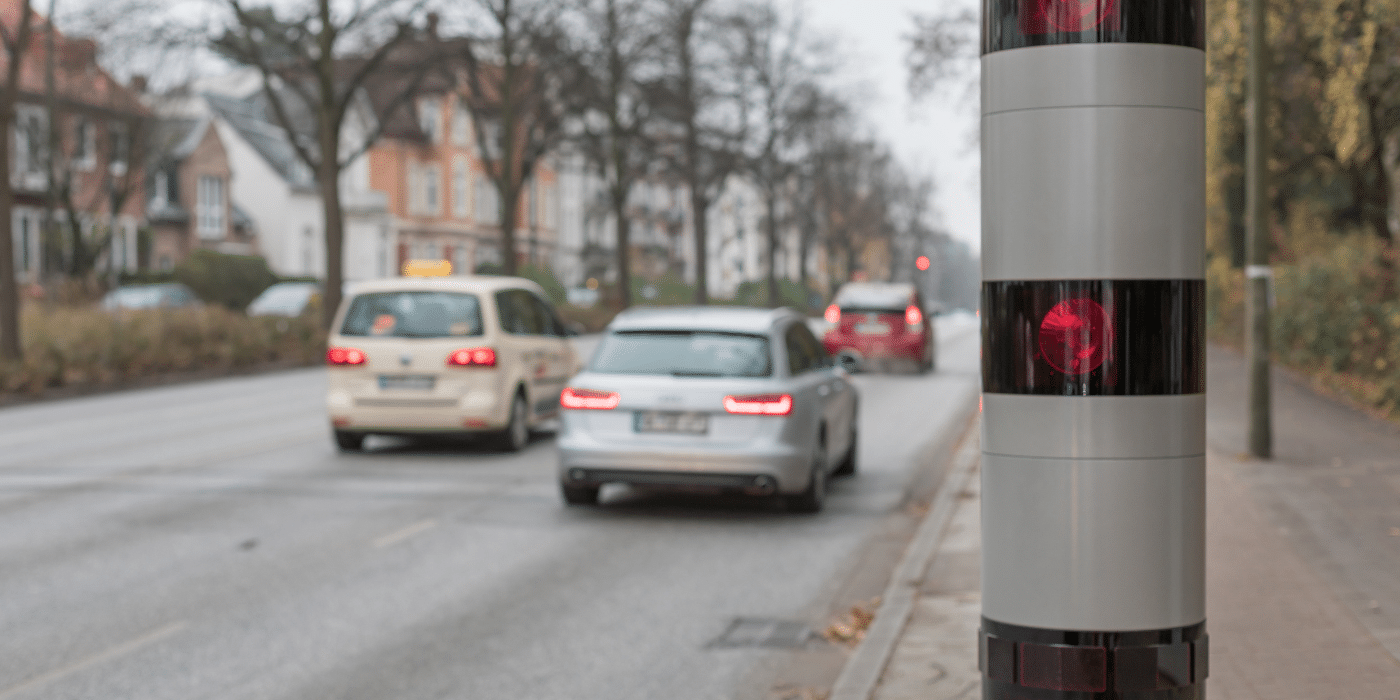
What is it all about? A driver was flashed outside built-up areas at 35 km/h too fast - and was ordered to pay 250 euros. The measuring device used calculated the value, but deleted the raw data immediately after evaluation. A later review by the person concerned or an expert? Impossible.
His lawyer said: Wait a minute - that violates the right to a fair trial! Because how can you defend yourself if you can't even examine the evidence? The St. Ingbert district court waved the arguments through. But the Saarland Higher Regional Court (OLG) saw it differently - and has now referred the matter to the Federal Court of Justice.
Fair trial vs. functioning mass persecution
The sticking point is that standardized measurement methods are currently considered reliable throughout Germany. Courts assume that strict calibration and operating instructions sufficiently safeguard the results. According to the previous OLG line, there is no right to new evidence such as raw measurement data.
On several occasions, the Federal Constitutional Court has not even accepted complaints for a decision - even though it has emphasized that stored data must of course be handed over. That sounds like a clear-cut case, but only on paper.
This is because the Saarland Constitutional Court already ruled against the case in 2019: If the basis of a conviction cannot be traced, there is a lack of a fair trial - period. The Federal Court of Justice could now also endorse this opinion. And that would be a real game changer.
BGH ruling could put many speed cameras out of action
Should the Federal Court of Justice rule that fines can only be lawfully imposed if those affected have access to the measurement data, this would have a huge impact. Numerous devices currently in use would have to be replaced or technically upgraded. And a number of completed proceedings could be reopened - with corresponding consequences for the judiciary and for drivers who have had no chance of counter-evidence to date.
A precedent of this magnitude is rare. And it ultimately affects everyone - after all, who can be sure that they won't be caught in a speed trap themselves at some point?
Speeding must not become a one-way street. The state demands money - but those who have to pay have no tools to defend themselves? That sounds like a bureaucratic autopilot, not a constitutional state. Legislators have looked the other way for years, hiding behind the label "standardized procedure". But "standardized" does not mean "untouchable". Those who measure must be able to prove it - and those who do not want to record must not collect.
Recht 24/7 was the only online law firm to receive the Focus Money “Highest Customer Satisfaction” seal for the fourth consecutive year Recht 24/7 2023, 2024, 2025, and 2026 . The online law firm Recht 24/7 founded in 2003 with the slogan “Law can be simple” and has since helped more than 100,000 satisfied clients with all legal matters. This is also evidenced by the “Very High Customer Trust” award from WirtschaftsWoche in October 2024.

In the areas of trademark applications and start-ups, the firm filed the most applications in Germany in 2022 and 2021:
https://dev-recht24-7.de/dpma-markenanmeldung-mit-deutschlands-nummer-eins/