
Birkenstock sandals as a work of art? The Federal Court of Justice decides on a revolutionary legal dispute!
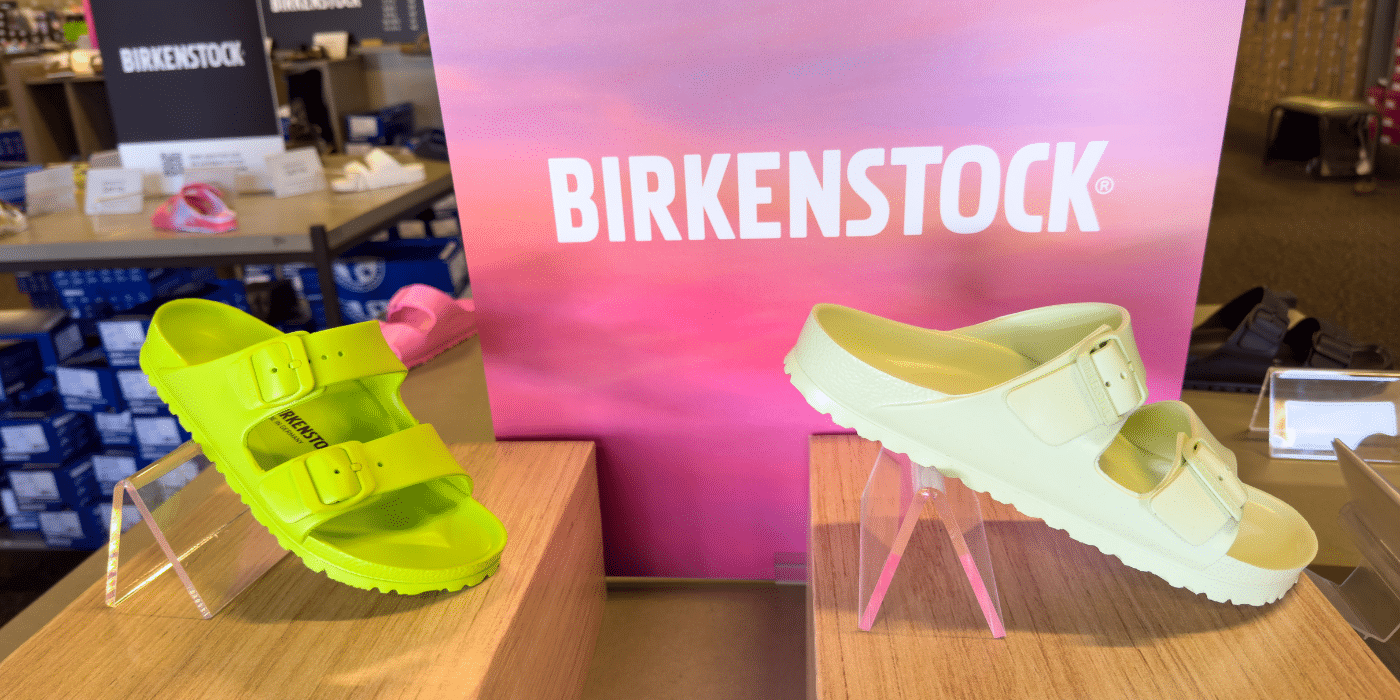

The famous Birkenstock sandal - a classic that is loved by many, but also often ridiculed. But what if these iconic shoes are more than just practical everyday companions? Birkenstock now wants to enforce in court that its sandals are recognized as "works of applied art" and are therefore protected by copyright law. However, the Federal Court of Justice (BGH) faces a difficult decision: are these sandals really works of art?
Birkenstock's journey from health sandal to fashion statement
Anyone who thinks Birkenstock is just a "health sandal" is mistaken. What once began as functional footwear for foot health and comfort has now developed into a global fashion phenomenon. The design is so striking that many people immediately think of Birkenstock when they see the typical sandals with wide straps and thick rubber soles. But this is where the controversy begins: Is this design so unique and creative that it is considered a work of art and therefore deserves special legal protection?
Birkenstock firmly believes that its sandals are more than just everyday objects. The company argues that the special shape, the materials and also the functional yet elegant design of the sandals are an expression of a creative design that cannot simply be imitated. The Federal Court of Justice is now examining whether copyright law applies in this case - and therefore whether sandals can be recognized as works of art.
Copyright vs. commercial art - where is the boundary?
Copyright law protects creative works such as books, films or music - but also works of applied art that combine functional aspects with aesthetic design. The question now is: do Birkenstock sandals fall into this category? Many courts have already ruled that furniture or lamps can also be considered applied art if they meet a certain artistic standard. The Birkenstock design could therefore also receive legal protection.
But not everyone agrees that sandals are art. Critics, including some of the defendants in this legal dispute, argue that the Birkenstock sandals are more of a functional utility item that does not reach a sufficient "level of creation" to be considered a work of art. The Cologne Higher Regional Court therefore dismissed Birkenstock's claims because the sandals did not constitute an "artistic achievement".
BGH: Decision of great importance for the fashion industry
The ruling of the Federal Court of Justice could have far-reaching consequences. If the court rules in favor of copyright protection, this could open up new legal possibilities not only for Birkenstock, but also for other manufacturers of design products. The protection could not only affect traditional copyright law, but also strengthen enforcement against imitations through design or competition law.
This would be a major victory for Birkenstock, as copyright protection is particularly long-lasting and offers particularly strong protection against imitators - even decades after the designer's death. It remains to be seen how the BGH will decide.
Is this art or can it go? The dark side of the Birkenstock legal dispute
You have to hand it to Birkenstock: they have revolutionized the fashion world with their sandals and created a design that is instantly recognizable. But is that really art? If we declare every everyday object that looks a little unusual as art, we will eventually lose sight of the bigger picture. Art should not only be aesthetically pleasing, but also have a deeper, often emotional value. Birkenstock sandals are iconic, no question about it. But art? That's a different topic. Sure, if the BGH decides that they are protected by copyright, that's a clever move by Birkenstock. But we should ask ourselves whether this kind of "protection" really does justice to the correct definition of art.
Recht 24/7 was the only online law firm to receive the Focus Money “Highest Customer Satisfaction” seal for the fourth consecutive year Recht 24/7 2023, 2024, 2025, and 2026 . The online law firm Recht 24/7 founded in 2003 with the slogan “Law can be simple” and has since helped more than 100,000 satisfied clients with all legal matters. This is also evidenced by the “Very High Customer Trust” award from WirtschaftsWoche in October 2024.

In the areas of trademark applications and start-ups, the firm filed the most applications in Germany in 2022 and 2021:
https://dev-recht24-7.de/dpma-markenanmeldung-mit-deutschlands-nummer-eins/
Find out how the Federal Court of Justice ruled on Birkenstock sandals as a work of art and what impact this may have on your rights. Contact us now for professional legal advice!