Big Brother on four wheels - these cars are now chasing parking offenders

Welcome to the future of the parking ticket
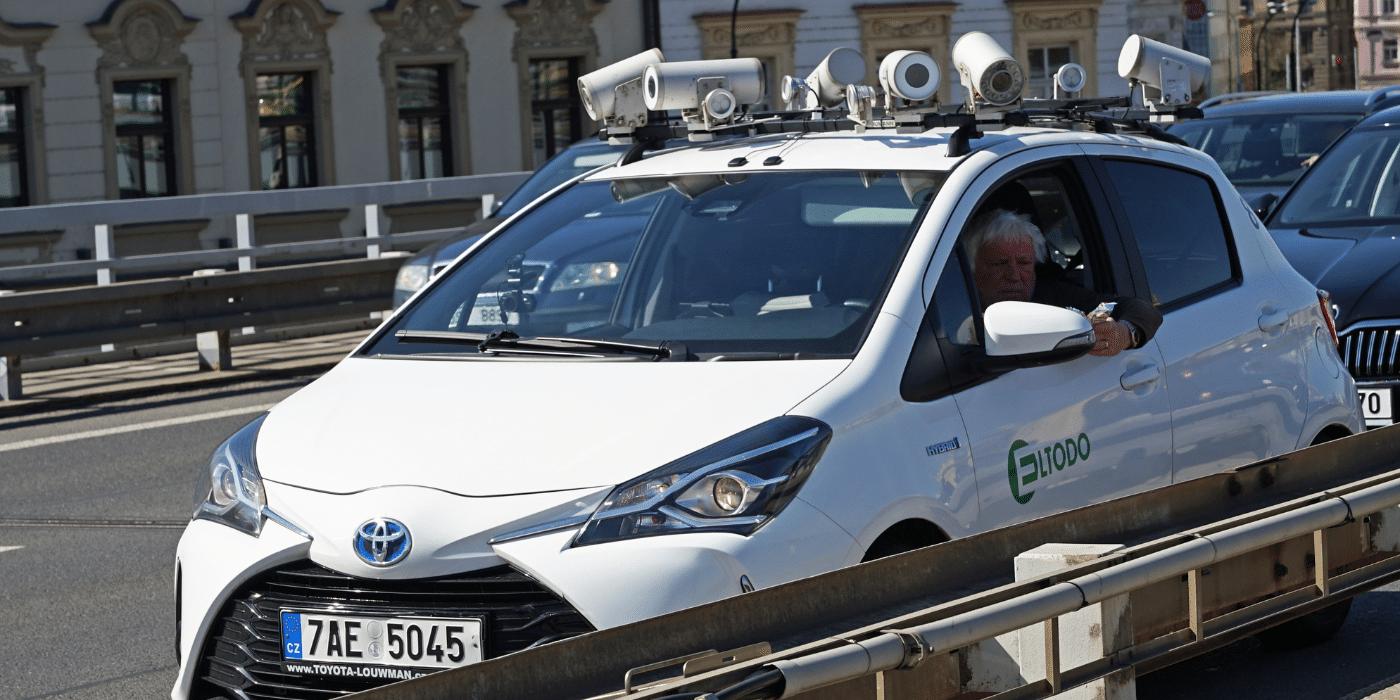
Stuttgart is once again leading the way - but this time not when it comes to Maultaschen or particulate matter alerts. A new high-tech vehicle is now rolling through the streets of the state capital of Baden-Württemberg: the scan car. Equipped with cameras on the roof, it combs the parking zones like a digital sheriff and recognizes who is parked correctly - and who is not.
The new technology is based on a recently passed state law. It enables cities to use so-called scanning vehicles to monitor parking spaces. The highlight: the cars not only recognize whether a valid parking ticket is in play - they can also see whether someone is parking on cycle paths, bus lanes or other prohibited zones. Up to 1000 vehicles can be checked within an hour. By comparison, a person on foot can only manage 50.
How the digital law enforcement officer works
The camera cars are not self-driving robots - they are driven by real people. But the technology takes care of everything else: scanners on the roof record the license plate number, GPS position and time. This information is compared - if a violation is detected, the case is documented. The data is only stored in the event of a genuine infringement until the fine has been paid. Otherwise: immediate deletion.
Automatic parking tickets are not yet being distributed in Stuttgart - this is part of the test around the University of Hohenheim. Instead, law enforcement officers are still walking the streets and handing out parking tickets in the traditional way. But the worst-case scenario will come - and then it will be really efficient.
What this means for cities - and for us
The technology is already commonplace in France and other countries. Amsterdam has halved the cost of parking enforcement. German cities are now also hoping for better parking discipline, fewer obstructions for buses, cyclists and pedestrians - and of course more revenue.
When scan cars detect masses of parking offenders in a very short space of time, notorious rule-breakers will have a hard time. And for everyone else it means: Keep an eye out when parking - otherwise not only the parking machine will soon be beeping, but also the digital sheriff on four wheels.
This is not traffic control, this is a digital arms race.
Sure, fewer parking offenders is good - but to what extent do we really want to use technology in public spaces? Today the car scans license plates, tomorrow perhaps faces. The line between order and surveillance is becoming ever thinner. Data protection is declared a minor matter as long as the result is "efficient". Is that what we really want? Or are we simply going to watch as monitoring is automated bit by bit?
Recht 24/7 was the only online law firm to receive the Focus Money “Highest Customer Satisfaction” seal for the fourth consecutive year Recht 24/7 2023, 2024, 2025, and 2026 . The online law firm Recht 24/7 founded in 2003 with the slogan “Law can be simple” and has since helped more than 100,000 satisfied clients with all legal matters. This is also evidenced by the “Very High Customer Trust” award from WirtschaftsWoche in October 2024.

In the areas of trademark applications and start-ups, the firm filed the most applications in Germany in 2022 and 2021:
https://dev-recht24-7.de/dpma-markenanmeldung-mit-deutschlands-nummer-eins/