Biden awards last gifts: Who benefits from the last pardons?
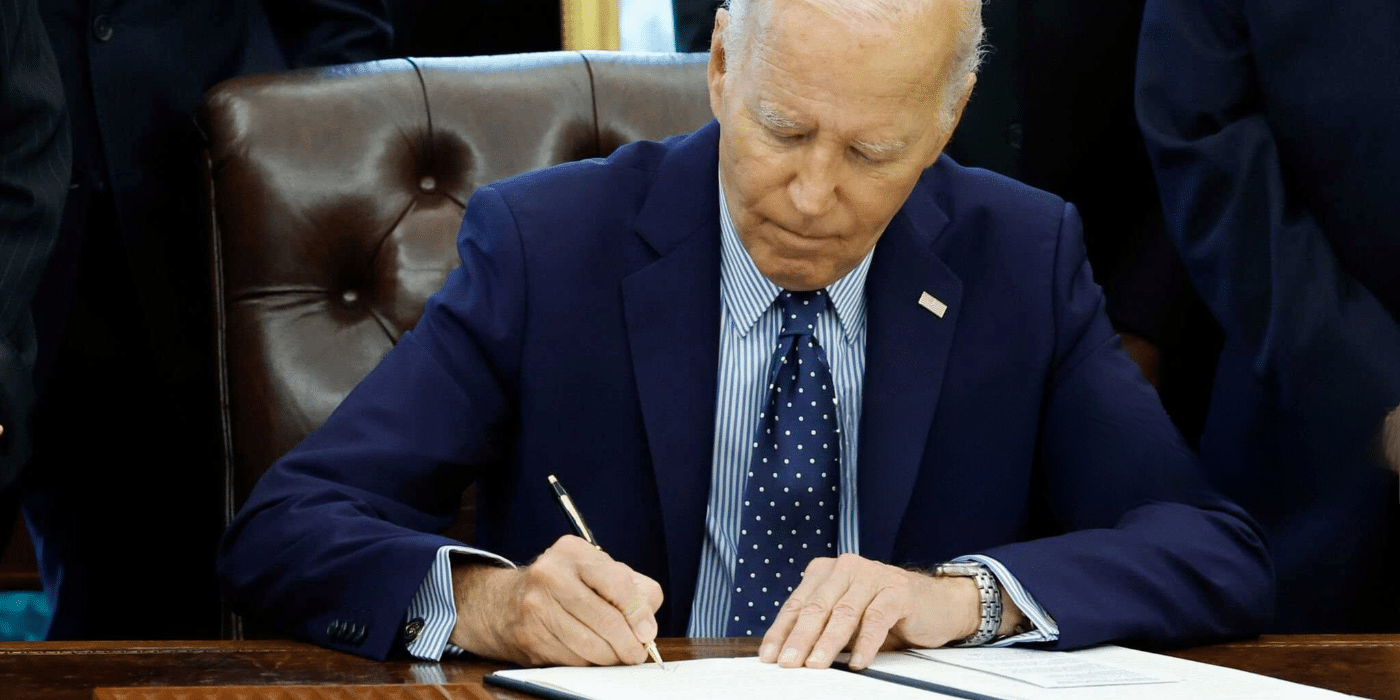

Shortly before the end of his term in office, US President Joe Biden has issued a series of controversial pardons. He not only protected political opponents of his successor Donald Trump, but also members of his own family from prosecution. But what is behind this decision? And what does it mean for the future?
Who are the pardoned?
Biden set a remarkable example in the final days of his presidency: He pardoned people known for their political careers and their connections to Trump's opponents. Among them was immunologist Anthony Fauci, who fought on the front line during the pandemic and repeatedly clashed with Trump. Fauci and others, such as former Chief of Staff Mark Milley, received a precautionary pardon. Why? Biden wanted to prevent these people from becoming targets under Trump's incoming administration, especially with regard to the political disputes surrounding the storming of the Capitol.
But Biden's own family was not spared either. The president pardoned several relatives, including his brother James and his sister Valerie. Even though Biden emphasized that this was not an acknowledgement of wrongdoing, the question arises: Why was this step necessary? Was it to prevent his family from being targeted by political opponents in the years to come?
A precedent for future presidents?
The pardons issued by Biden could have far-reaching consequences for future presidents. For the first time, people have been pardoned who have not even been officially charged or investigated. This could open the door for similar measures under the next administration - whether by Trump or another president.
The legislator originally intended that pardons should primarily benefit those who have already served a sentence or against whom proceedings are ongoing. Biden's approach calls this classic approach into question and opens up new possibilities for political pardons - long before criminal proceedings are even initiated.
Dealing with pardons: Political calculation or protection?
It is difficult to answer the question of whether Biden's decisions were made purely out of political calculation or whether they had a deeper meaning. What is certain, however, is that pardons in politics are often more than a purely legal act. They can serve as an expression of power and influence and are often also a tool to protect allies or weaken opponents. Biden clearly wanted to prevent critics of his own political agenda from being exposed to retribution after Trump came to power.
A dangerous game?
Even if it is understandable that Biden wanted to protect his family and allies from political persecution, the move remains problematic. The question of how much power a president should exercise in granting pardons in the final days of his term of office remains open.
Such pre-emptive measures undermine the independence of the judiciary and jeopardize citizens' trust in a fair and impartial system. Extending pardons to people who have not even been charged could set a dangerous long-term example for the future political landscape. What Biden sees as a "protective measure" could be a door opener for future presidents to make even less transparent and even more political decisions.
Recht 24/7 was the only online law firm to receive the Focus Money “Highest Customer Satisfaction” seal for the fourth consecutive year Recht 24/7 2023, 2024, 2025, and 2026 . The online law firm Recht 24/7 founded in 2003 with the slogan “Law can be simple” and has since helped more than 100,000 satisfied clients with all legal matters. This is also evidenced by the “Very High Customer Trust” award from WirtschaftsWoche in October 2024.

In the areas of trademark applications and start-ups, the firm filed the most applications in Germany in 2022 and 2021:
https://dev-recht24-7.de/dpma-markenanmeldung-mit-deutschlands-nummer-eins/