The new era of traffic control: cell phone speed cameras rely on artificial intelligence


Fines due to new speed camera technology
Speed checks are a thing of the past! New software now also enables speed cameras to detect drivers using their cell phones at the wheel. The local court in Trier (Rhineland-Palatinate) has already issued the first fines based on this innovative technology, but this has raised concerns among traffic experts.
The use of AI speed cameras
At the moment, there is still no clear legal basis for the use and sanctioning of affected drivers in the area of police and regulatory laws. Nevertheless, Michael Ebling (56, SPD), Interior Minister of Rhineland-Palatinate, is planning the widespread use of this technology throughout Germany. The new "Monocam" technology has already been tested in a field trial in Mainz and Trier, and Ebling is convinced that the results will be positive.
The way the car cell phone speed cameras work is simple: a camera records the flow of traffic and takes pictures of passing vehicles. Artificial intelligence (AI) is then used to evaluate possible signs of illegal cell phone use, such as the driver's posture, arm movements and gaze behavior.
However, the recording of all vehicles, regardless of any specific suspicion, is a sticking point. The collected data is stored and only when it is subsequently evaluated by an officer is it checked whether a violation has occurred. This is problematic in terms of data protection law, as recording and storage without a specific reason could potentially be illegal and a breach of data protection regulations.
Legality of the fines
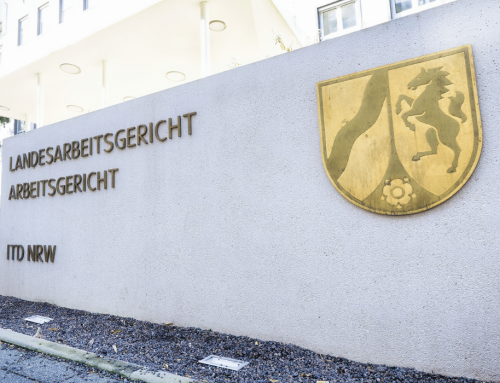
Despite these concerns, the local court in Trier has declared fine notices that were issued during test operations using the new technology to be lawful. The local court judge argued that the public interest in road safety was an obstacle to utilizing the evidence. In Rhineland-Palatinate alone, there were 1,041 accidents in 2022 that were due to distraction caused by cell phone use.
However, it remains to be seen how the rulings of the next instances on the decisions of the Trier Local Court will turn out. The legal questions regarding the collection and storage of data without a specific reason need to be clarified in order to avoid possible breaches of data protection. Critics of the use of monocams argue that the current regulations are too vague and that recording data without suspicion is inadmissible.
Cell phone speed cameras undoubtedly represent a new era in traffic control. It remains to be seen whether they will be used across the board in the future and what impact this will have on data protection and traffic monitoring.
Recht 24/7 was the only online law firm to receive the Focus Money “Highest Customer Satisfaction” seal for the fourth consecutive year Recht 24/7 2023, 2024, 2025, and 2026 . The online law firm Recht 24/7 founded in 2003 with the slogan “Law can be simple” and has since helped more than 100,000 satisfied clients with all legal matters. This is also evidenced by the “Very High Customer Trust” award from WirtschaftsWoche in October 2024.

In the areas of trademark applications and start-ups, the firm filed the most applications in Germany in 2022 and 2021:
https://dev-recht24-7.de/dpma-markenanmeldung-mit-deutschlands-nummer-eins/