Ripped off: Munich soldier cheats the Bundeswehr - and gets off lightly


A soldier from Munich has enriched himself with forged medical bills at the expense of the Bundeswehr. But what can he expect? A court ruling with a surprisingly lenient sentence - and a lot of trouble for taxpayers.
How a soldier deceived the Bundeswehr
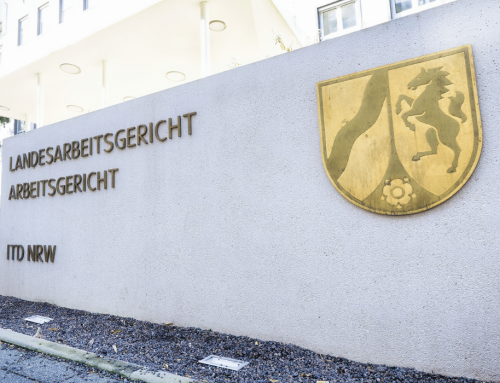
In a surprising twist, a 46-year-old soldier was brought to justice for his fraudulent activities at the Munich district court. Robert D. had falsified several medical bills between 2020 and 2023 in order to obtain money from the Bundeswehr without authorization. While he was stationed in the USA, he claimed to have received treatment from chiropractors and doctors - invoices that never actually existed.
But instead of receiving the full sentence for his actions, Robert D. was able to negotiate a relatively lenient sentence as part of a so-called "judicial plea bargain". The result? Ten months in prison, albeit suspended on probation. And that's not all: the soldier also has to pay back the money he was ripped off. In total, the loss amounts to almost 19,000 euros.
Fake invoices for fake doctor's visits
Robert D.'s aim was clear: in order to enrich himself, he submitted several fake medical bills to the German Armed Forces. These invoices came from alleged chiropractors and doctors who were supposed to have treated him - treatments that never actually took place. As part of the Tricare system, which the US armed forces offer for the healthcare of their soldiers, D. was able to submit these bills to the Bundeswehr, which then reimbursed the corresponding amounts.
The amount of the fraud - more than 19,000 euros - is shocking, especially when you consider that it involves money financed by taxpayers. And yet Robert D. did not remain without consequences. Despite the proven prison sentence, he has to deal with the financial consequences of his actions and pay back the money he was ripped off.
Why a lenient sentence?
The fact that the soldier got off with a suspended sentence despite his offenses is causing mixed reactions. On the one hand, it could be argued that a harsh sentence would be justified in such a case - after all, it is a case of systemic fraud that not only hits the Bundeswehr, but ultimately the taxpayer in the pocket. On the other hand, probation could be seen as a sign that the court is allowing the perpetrator to rehabilitate himself in the future.
However, the question arises: shouldn't someone who is capable of abusing the trust of an institution such as the Bundeswehr in such an ice-cold manner be punished more severely? The court's decision shows that in Germany there is sometimes room for a more lenient punishment even for such serious offenses.
Is that fair? Why the lenient sentence for the Bundeswehr fraudster raises questions
The verdict shows a side of the German justice system that irritates many. A soldier who defrauded the Bundeswehr for months is given a suspended sentence - is that fair? Can one really speak of "probation" in the case of such financial losses? The decision may be legally correct, but for the general public it seems like a free pass for those who exploit the state without scruples. Perhaps it is time to consider whether fraud against the state should be punished more severely.
Recht 24/7 was the only online law firm to receive the Focus Money “Highest Customer Satisfaction” seal for the fourth consecutive year Recht 24/7 2023, 2024, 2025, and 2026 . The online law firm Recht 24/7 founded in 2003 with the slogan “Law can be simple” and has since helped more than 100,000 satisfied clients with all legal matters. This is also evidenced by the “Very High Customer Trust” award from WirtschaftsWoche in October 2024.

In the areas of trademark applications and start-ups, the firm filed the most applications in Germany in 2022 and 2021:
https://dev-recht24-7.de/dpma-markenanmeldung-mit-deutschlands-nummer-eins/