700 million dollar lawsuit against the Internet Archive: Are we saving a digital cultural heritage - or protecting overdue copyrights?

Old shellac records - new copyright dispute
They crackle, rustle and tell stories from another time: we are talking about historic 78 rpm records, as they were used from around 1900 to the 1950s. Now they are causing a modern copyright dispute with a huge amount in dispute: music giants such as UMG, Sony Music and Capitol Records are demanding 700 million dollars from the non-profit Internet Archive - and are thus threatening a digital cultural heritage that is unique in the world.
The accusation is that the archive has digitized thousands of historical recordings and made them freely accessible without having the necessary rights to do so. The dispute is ignited by a core problem of our time - which is more important: cultural access or commercial control?
The Internet Archive - the treasure trove of digital memory
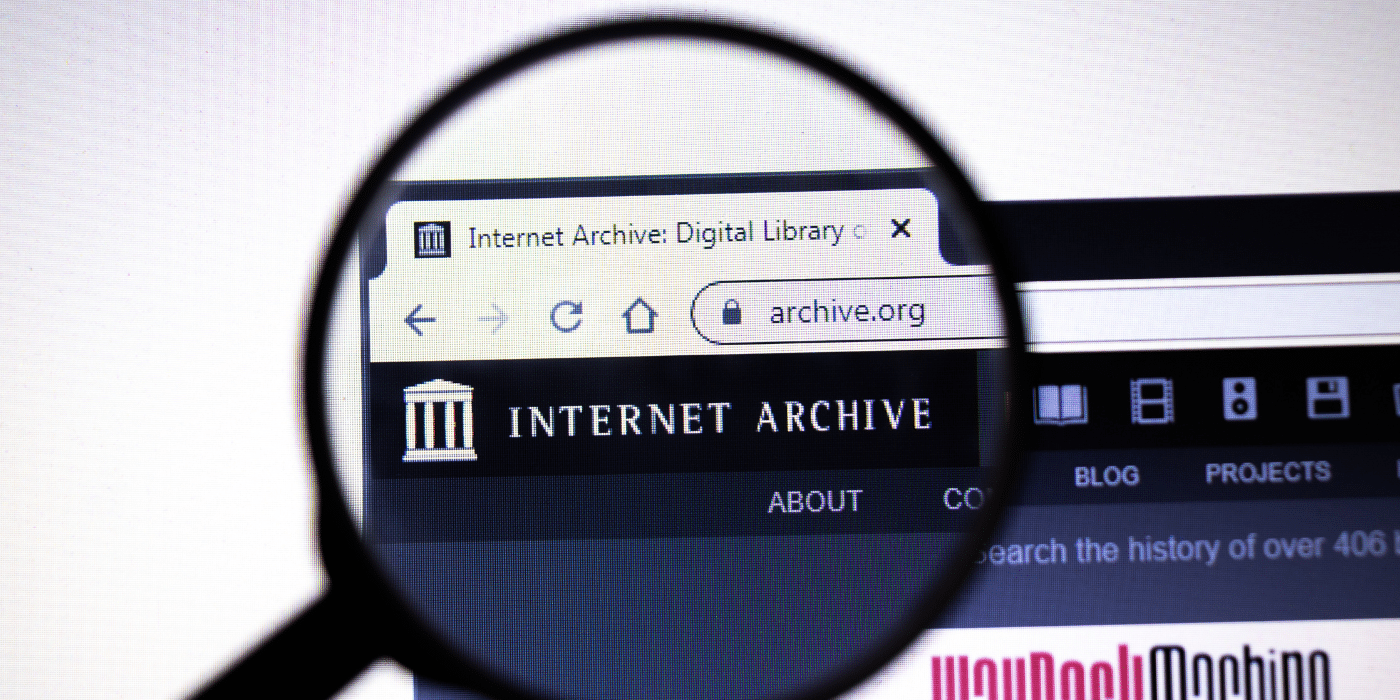
For years, the Internet Archive has been considered one of the most important platforms for the preservation of digital information. Whether old websites, discarded software or forgotten books - hardly any other project makes the history of the internet and the media world so freely accessible. The "Wayback Machine", which can be used to reconstruct deleted or modified websites, is particularly valuable - a tool that is not only appreciated by historians and journalists, but also by lawyers and politicians.
But it is precisely this philosophy - free access for all - that is a thorn in the side of rights holders. They accuse the archive of endangering commercial interests by infringing rights without a license. Particularly bitter: many of the sound recordings in question are neither commercially available nor commercially exploitable - and would probably disappear forever without the archive.
Copyright vs. the common good: who wins?
From a purely legal point of view, things could actually get tricky. Even decades-old sound recordings can still be protected by copyright if, for example, they have been remastered or rights have been transferred to new owners. Digitization alone might not be a problem - but making them available worldwide free of charge would be.
The question here is bigger than any chain of paragraphs: How much access to culture is allowed in the digital world - and where does the limit of exploitation begin?
Because what starts with shellac records could continue with films, books, websites or software. If the music industry is successful in court, it could set a precedent that jeopardizes the entire Internet Archive - and with it the idea of a free, public digital memory.
Protection of intellectual property - or not?
Culture must not only belong to those who demand the most money for licenses. Of course authors must be protected. But when corporations with dusty rights to out-of-print recordings suddenly want to collect billions while they themselves contribute nothing to the preservation of these works, that's not legal protection - that's a digital wrecking ball.
This lawsuit is not a protection of intellectual property - it is an attack on our collective memory. If the Internet Archive falls, we all lose. What we need is a modern copyright law that combines protection with access - not one that locks culture in the vault.
Recht 24/7 was the only online law firm to receive the Focus Money “Highest Customer Satisfaction” seal for the fourth consecutive year Recht 24/7 2023, 2024, 2025, and 2026 . The online law firm Recht 24/7 founded in 2003 with the slogan “Law can be simple” and has since helped more than 100,000 satisfied clients with all legal matters. This is also evidenced by the “Very High Customer Trust” award from WirtschaftsWoche in October 2024.

In the areas of trademark applications and start-ups, the firm filed the most applications in Germany in 2022 and 2021:
https://dev-recht24-7.de/dpma-markenanmeldung-mit-deutschlands-nummer-eins/
Do you need legal assistance in the area of copyright law? Get advice now and protect your rights effectively!