250,000 euros for a joke - when satire becomes a dispute
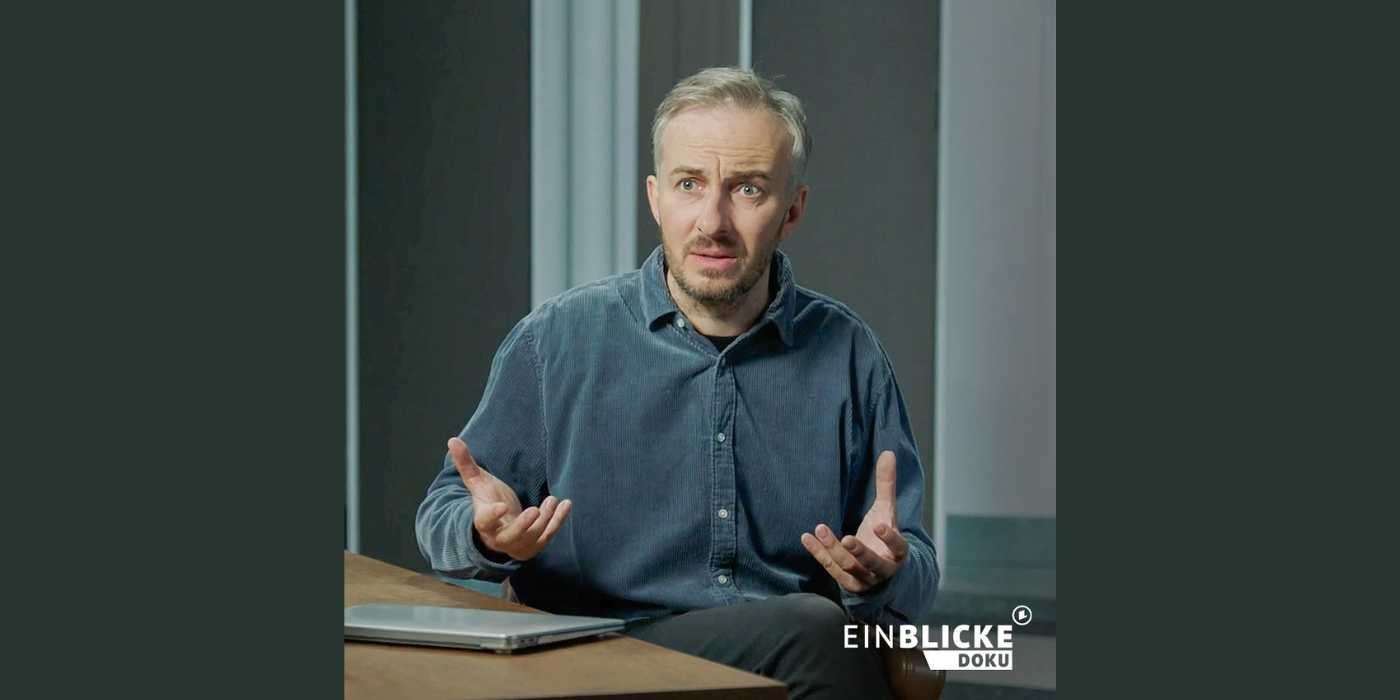

IMAGE SOURCE INSTAGRAM: @janboehm
Those who dish it out must also take it? Not always!
Jan Böhmermann, known for his sharp tongue and sharp humor, has let it rip again - this time with a powerful all-round attack on a federal police officer. But what usually passes for satire now ends up in court: the deputy chairman of the federal police union, Manuel Ostermann, believes his personal rights have been violated and is taking legal action. And not quietly - but with a demand for a fine of up to 250,000 euros.
Specifically, it is about statements from the program "ZDF Magazin Royale", which, according to Ostermann, are not satire but "abusive criticism". Terms such as "gentlemanly man in a Skoda" and "three-quarter full punching bag with a blitzkrieg hairstyle" are not intended to caricature the civil servant, but to deliberately belittle him - according to the argument in the complaint. For Ostermann, one thing is clear: "Böhmermann sometimes destroys livelihoods."
Humor or agitation? The boundaries become blurred
The central question is: when is satire still art - and when does it become an insult? For Ostermann, the case is clear. He feels that the program has brought him close to National Socialism and portrayed him as a "right-wing extremist police officer". The complaint speaks of a "physical-spiritual caricature" that has nothing to do with social criticism, but is aimed solely at public defamation.
Explosive: Böhmermann's contribution is also criticized because it claims that the federal police sabotaged the entry of Afghans as part of a government programme - without any reliable evidence, as Ostermann's lawyers point out. The point is not unimportant from a legal point of view: if a person is heavily incriminated without being heard or providing evidence, this can be a clear breach of journalistic due diligence. Ostermann says that he was only confronted with general questions in advance - there were no specific accusations.
Trouble with ZDF again - pattern or coincidence?
The case is strongly reminiscent of the trial involving Arne Schönbohm, former head of the Federal Office for Information Security. Here, too, "ZDF Magazin Royale" had used harsh criticism - and lost. At the time, the Munich I Regional Court ruled that ZDF was no longer allowed to repeat four false allegations. The ruling was a slap in the face for the magazine - and now a similar case seems to be repeating itself.
Heiko Teggatz, Chairman of the Federal Police Union, also clearly criticized ZDF: "Böhmermann is trying to hide hatred and incitement under the guise of satire." He accuses the broadcaster of discrediting an entire profession - that of federal police officers.
ZDF itself is playing it down: the allegations have been examined internally and a program complaint was already received in May, for which a multi-stage process is underway. According to Mainz, the broadcaster has not yet been notified of the complaint.
Böhmermann has a satire problem - and so does ZDF
Satire can do a lot - but it can't do everything. Anyone who violates personal rights risks not only moral, but also legal headwinds. It is well known that Böhmermann likes to play with transgressions. But when the "joke" becomes a public dismantling without a clear factual basis and without giving the person concerned a hearing, that's the end of the fun.
Satire is not a free pass for character assassination. And ZDF should seriously ask itself whether it is the right place for political settlements at comedy level - especially when they are paid for with compulsory fees.
The court will decide whether Ostermann will be vindicated in the end. But one thing is certain: the line between satire and vilification is being severely tested here. And that is perhaps long overdue.
Recht 24/7 was the only online law firm to receive the Focus Money “Highest Customer Satisfaction” seal for the fourth consecutive year Recht 24/7 2023, 2024, 2025, and 2026 . The online law firm Recht 24/7 founded in 2003 with the slogan “Law can be simple” and has since helped more than 100,000 satisfied clients with all legal matters. This is also evidenced by the “Very High Customer Trust” award from WirtschaftsWoche in October 2024.
In the areas of trademark applications and start-ups, the firm filed the most applications in Germany in 2022 and 2021:
https://dev-recht24-7.de/dpma-markenanmeldung-mit-deutschlands-nummer-eins/
Do you have questions about the legal situation regarding satire? Book a consultation now and avoid expensive legal disputes!